

Huawei News
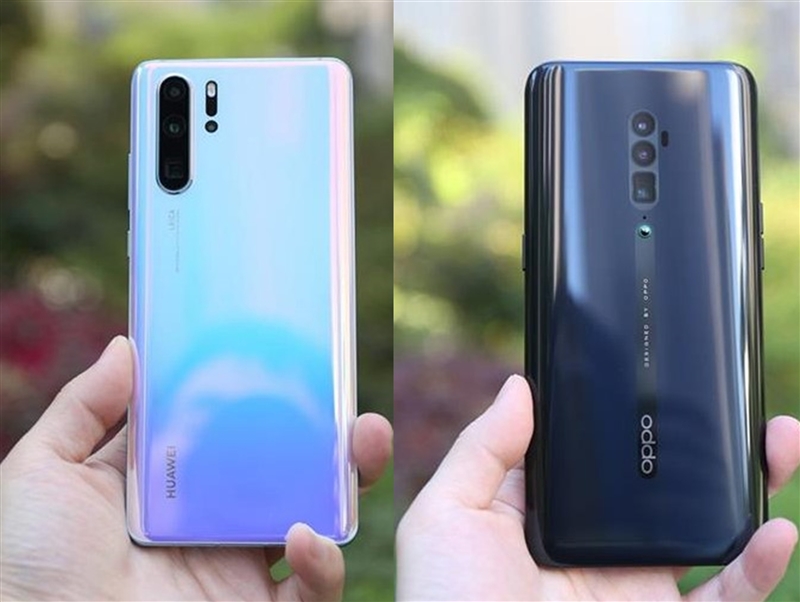
Really 10 dozens! Huawei P30 Pro vs OPPO Reno 10x Zoom Edition: Battle for the Forbidden
I. Foreword: The only leader in mobile photography
As early as nearly 20 years ago, Sharp’s joint operator j-phone released a j-sh04 with a built-in 110,000-pixel ccd camera. After the era of enabling the phone to have a camera function, countless vendors have developed an idea. The true fusion of camera + mobile phone.
On this road, the ever-changing giant Samsung, as early as the functional machine era, put the 3X optical zoom lens into a mobile phone of the model M339DE1. However, the M339’s rollover and the unrelenting Galaxy K Zoom also let us see that the fusion of camera + mobile phone is not a simple superposition –
Both far exceed the thickness of the body of the ordinary mobile phone, the unacceptable focus speed and the sharp power consumption make this purely stacked hardware machine not competitive in the same generation of mobile phones and cameras, the shackles of today’s tablet devices ……

After the death of many martyrs, for quite a long time, there was no “strong act” that manufacturers tried to force the optical zoom module to be superimposed on the mobile phone. The smartphone then followed the wide-angle + telephoto segmentation solution given by the iPhone 7 Plus.
However, we have carefully traced the wide-angle + telephoto segmentation solutions that many manufacturers have used for many years. We can find that the focus is mainly on 28mm daily focal length and 60mm medium telephoto (using the iPhone 7 Plus as an example, its telephoto lens equivalent) 135 focal lengths up to 56mm).

Then the question comes, in addition to the daily focal length and 60mm medium telephoto, is the wide-angle to telephoto end optical zoom that the manufacturers once ignored, is it meaningful for mobile photography? Can you bring some breakthrough changes?
From the daily camera experience, most of our use scenes are in the 16mm super wide-angle, 27 or 35mm portrait wide-angle lens, 50mm medium focal length, 70mm medium telephoto, etc., which are called “golden focal length” by some photographers. Move.
In other words, as long as the position of the “golden focal length” is improved to a certain level, the mobile phone is far less than the hardware quality of the SLR camera, the overall size of the body, the endurance, the SoC calculation speed, the portable weight, Considering factors such as appearance and expandability, the experience in daily life is better than that of stupid and ugly cameras.
In summary, today, when stacked lenses and stacked outsole CMOS have become more and more weak, zoom has become the last point that manufacturers can make and perfect in mobile photography.
So, who can realize the “golden focal length” on the mobile phone and improve the picture quality of the relevant focal length? Who can solve the design and mass production of the zoom module in the mobile phone? Who can seize the next mobile phone photography? The highlands of the era.
As a result, we have seen that the only two manufacturers who have entered the new era in the new era are Huawei, OPO, and their respective works are Huawei P30 Pro and OPPO Reno ten times zoom version. Both can achieve hybrid optical zoom within the normal thickness of the body, which is absolutely incredible in the past.
So what are the similarities and differences between the two mobile phone photography leaders?
Fast Technology just got the two machines at the same time. After a period of in-depth experience, it cuts in from the perspective of mobile photography, bringing you detailed experience evaluation.
Huawei News
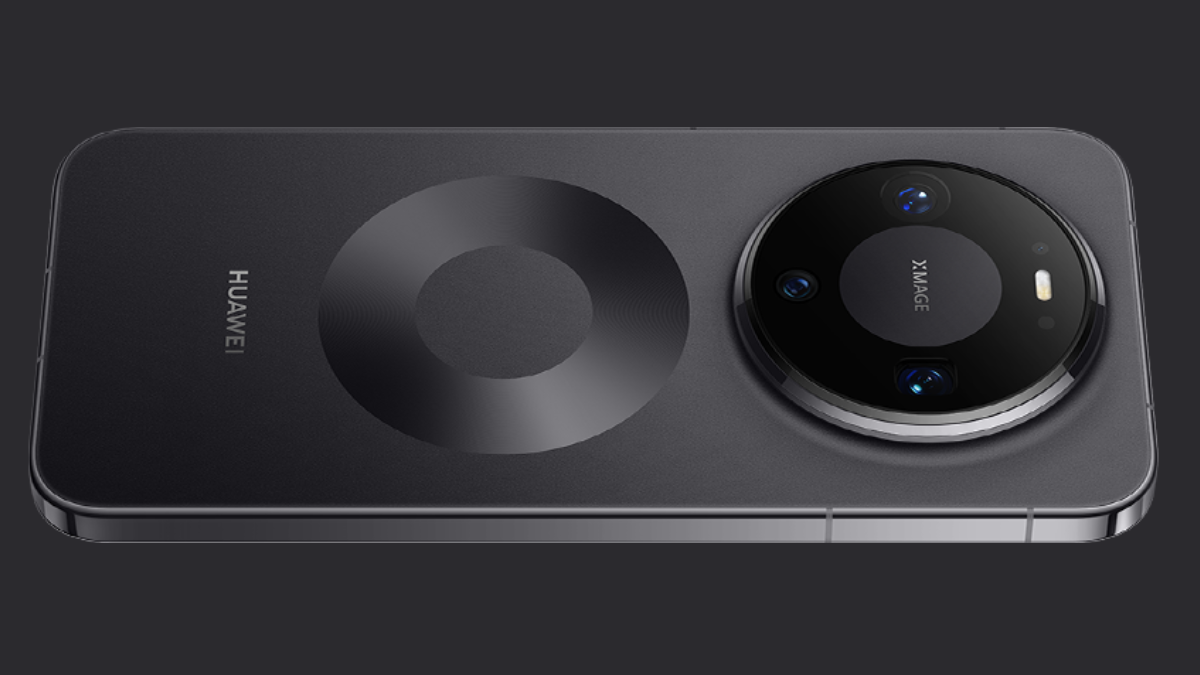
Huawei Mate 70 Air shows up in a promotional photo
Huawei is getting ready to release a new super-thin phone called the Mate 70 Air. Some details about this phone have already been leaked online, and now a new picture has appeared showing what it looks like.
What the phone looks like
A promotional poster for the Huawei Mate 70 Air was leaked today. The phone looks similar to other phones in Huawei’s Mate 70 family, but it’s much thinner.
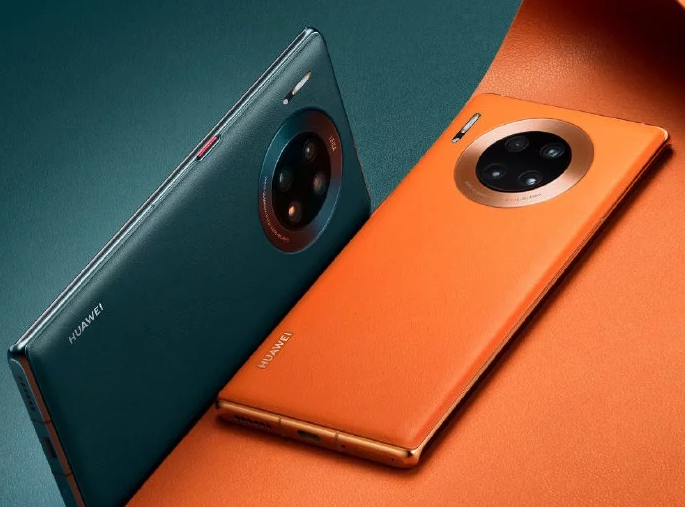
The back of the phone has a round camera area with Huawei’s XMAGE camera logo on it. The edges of the phone appear to be shiny and polished. The back cover has a textured surface, similar to another Huawei model called the Mate 70 Pro+.
What’s inside the phone
There isn’t much information available yet, but the Mate 70 Air might be a mid-priced phone. Early reports said it would have 12GB of memory and either 256GB or 512GB of storage space. However, newer information suggests it will actually have 16GB of memory.
The phone is expected to have a large 6.9-inch screen. It will also have a high-quality main camera.
Other features
Unlike Apple’s iPhone Air, the Huawei Mate 70 Air will have a slot for a physical SIM card. The phone will run on Huawei’s HarmonyOS 5.1 software. It will come in three colors: black, white, and gold.
Huawei is expected to launch this phone in November, around the same time as its Mate 80 series.
Huawei News
Huawei Mate 80 series latest Information
Tipster Digital Chat Station has confirmed that the Chinese tech giant Huawei will release new phones called the Mate 80 series in November. These new phones will have better designs, cameras, and speed.
The company is expected to compete with Apple’s new iPhone 17 phones. Huawei will make four different Mate 80 phones: the regular Mate 80, Mate 80 Pro, Mate 80 Pro+, and Mate 80 RS. Each phone will have different cameras. The regular Mate 80 will have a 50-megapixel camera.
The Pro version will have a bigger 50-megapixel camera. The Pro+ and RS models will have even bigger 50-megapixel cameras.
The Pro model might have a flat screen and face recognition. The Pro+ and RS models might have curved screens that bend more.
The best phone, the Mate 80 RS, might have a 6.9-inch screen with special technology.
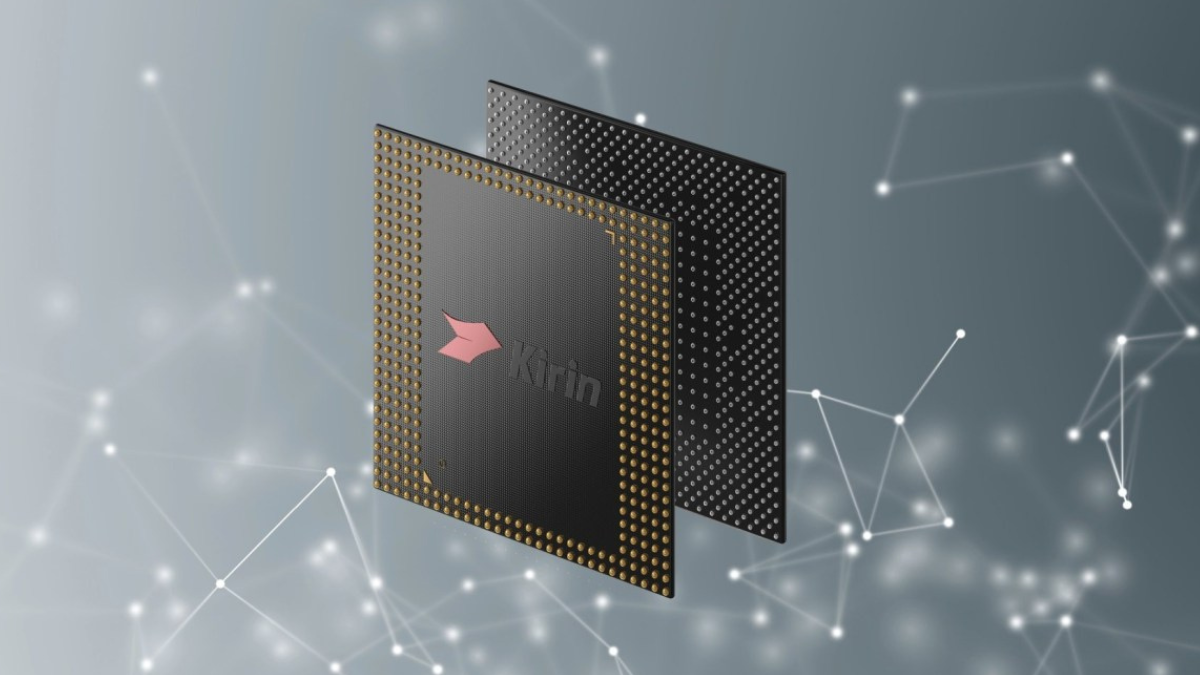
This screen should be brighter, use less battery power, and last longer than normal phone screens. Huawei might also use strong titanium metal for the frame and special glass on the back. Inside the phones, there will be a new chip called the Kirin 9030. The battery might be bigger than 6000mAh and charge very fast – 100W with a wire and 80W without wires. The phones might work with 5G internet and satellite communication.
The phones will use Huawei’s own software called HarmonyOS. This might work better with other Huawei devices and have more AI features. Some people think these improvements will help Huawei compete better with Apple, especially in battery life, communication, and smart features.
Huawei News
Huawei’s Xu Zhijun steps down as chairman
A Chinese company called HiSilicon Semiconductor just changed who’s in charge. The old boss, Xu Zhijun, stepped down from his job as the legal representative and chairman. Now the company’s CEO, Gao Ji, is taking over these roles.
Xu has been working at Huawei since 1993 and still has other important jobs there – he’s a vice chairman and sometimes serves as the rotating chairman. Him leaving this position is probably just Huawei moving people around to different jobs within the company.
HiSilicon is completely owned by Huawei and makes computer chips. This change in leadership might mean Huawei is trying to make things work better.
HiSilicon started in October 2004 when Huawei took its computer chip design team and turned it into its own company. The main office is in Shenzhen, but they also have offices in Beijing, Shanghai, and other cities in China.