
Connect with us

Huawei News

Huawei: Check these 5 new capabilities of the Intelligent cloud network solution

picture-1

Published

on

Intelligent cloud network solution

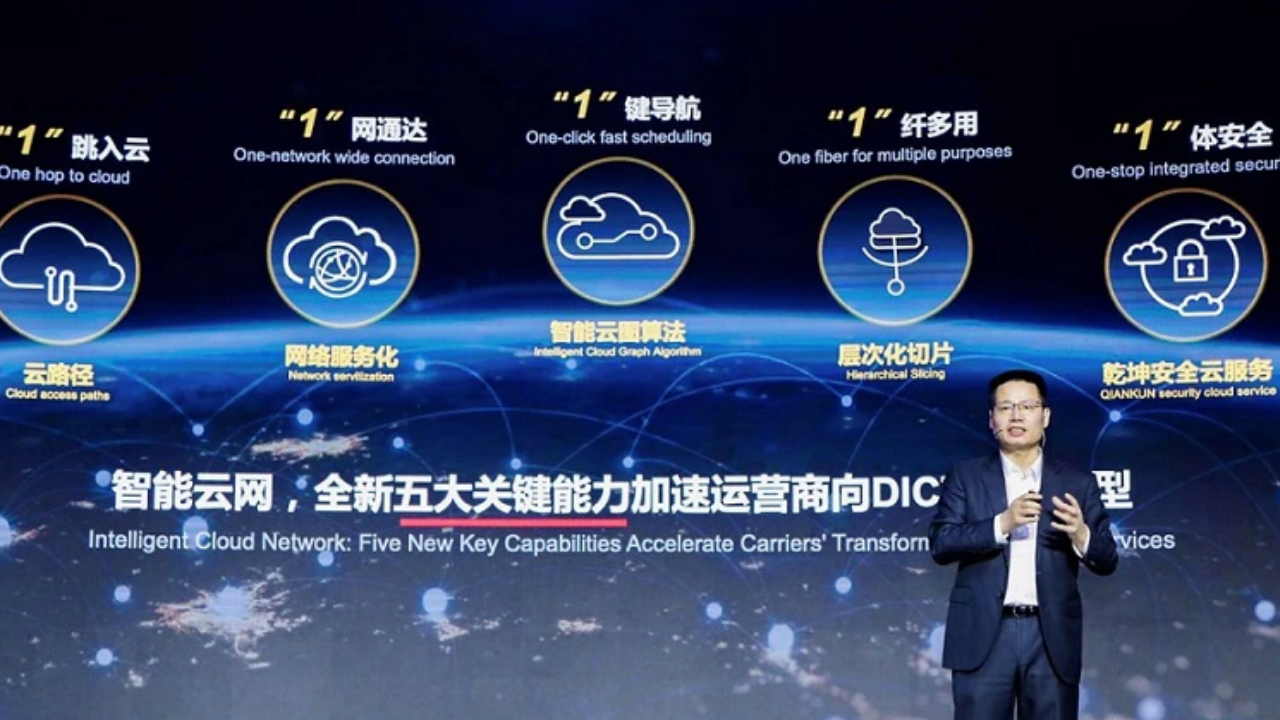
At MWC Shanghai 2021, Kevin Hu, President of Huawei Data Communication Product Line, announced the “five ones” new capabilities of the Intelligent cloud network solution — one hop to cloud, one-network wide connection, one-click fast scheduling, one fiber for multiple purposes, and one-stop integrated security. This solution helps carriers build cloud-oriented service networks and core capabilities for DICT transformation.

Carriers adopt the DICT strategy to meet the digital transformation demands of their industry customers. New opportunities are accompanied by new changes and challenges.

Change 1: Cloud access demands are increasing rapidly. 93% of enterprises will use public clouds, and 74% of enterprises will use hybrid clouds. Enterprises have demands for multi-cloud connection through single-point access.

Change 2: Enterprise private lines are shifting to cloud private networks. After enterprise service systems are cloudified, enterprise needs transform from private lines to globally reachable cloud private networks.

Change 3: Best-effort forwarding is shifting to experience assurance. The cloudification of enterprise production systems means that networks need to change from best-effort forwarding to deterministic experience assurance.

Advertisement

Change 4: Single-point security is shifting to all-round protection. To meet service cloudification requirements, security needs to change from single-point protection provided by firewalls to E2E (from devices, networks, and clouds to applications) security collaboration and all-round protection capabilities.

Huawei’s intelligent cloud network solution, through its five-ones new capabilities (one hop to cloud, one-network wide connection, one-click fast scheduling, one fiber for multiple purposes, and one-stop integrated security), maximizes the value of carriers’ network resources and fully leverages the complementary advantages of clouds and networks. As such, it is the key for carriers to provide DICT services integrating clouds and networks.

One hop to cloud: Cloud access paths enable cloud access within minutes.

The cloud backbone provides flexible connections between multiple clouds and networks while SRv6-based cloud access paths streamline cross-domain connections. With technology breaking process barriers, experience on clouds and networks becomes consistent, and service access to clouds through one network can be implemented within minutes.

One-network wide connection: Network-as-a-service delivers cloud-like network usage.

Advertisement

The service-oriented network architecture provides tenant-level interfaces to shield network implementation details. This reduces the system integration time by 90%, enabling enterprises to use networks as conveniently as using clouds. Furthermore, with iMaster NCE’s intelligent distributed path computation, the scale of network connections reaches 100 times greater than the industry average, meeting the demands for ultra-large-scale networking and global interconnection of numerous tenants.

One-click fast scheduling: The intelligent cloud graph algorithm improves IDC resource utilization by 30%.

The intelligent cloud graph algorithm, combining network and cloud factors, provides optimal cloud access paths for enterprises and implements integrated scheduling of cloud and network resources. This improves the cloud and network resource utilization by 30%.

One fiber for multiple purposes: Hierarchical slicing provides a deterministic service experience for numerous industries.

On the enterprise side, the intelligent cloud terminal — a box-shaped device — provides access to multiple services requiring different SLAs, such as CCTV, office Internet access, and remote conferencing. On the network side, one fiber to different slice-based service private networks provides fine-granularity experience assurance.

Advertisement

One-stop integrated security: The QIANKUN security cloud service builds all-round security protection.

(Via)

Huawei News

Huawei Mate 70 Air shows up in a promotional photo

picture-1

Published

on

By

Huawei Mate 70 Air

Huawei is getting ready to release a new super-thin phone called the Mate 70 Air. Some details about this phone have already been leaked online, and now a new picture has appeared showing what it looks like.

What the phone looks like

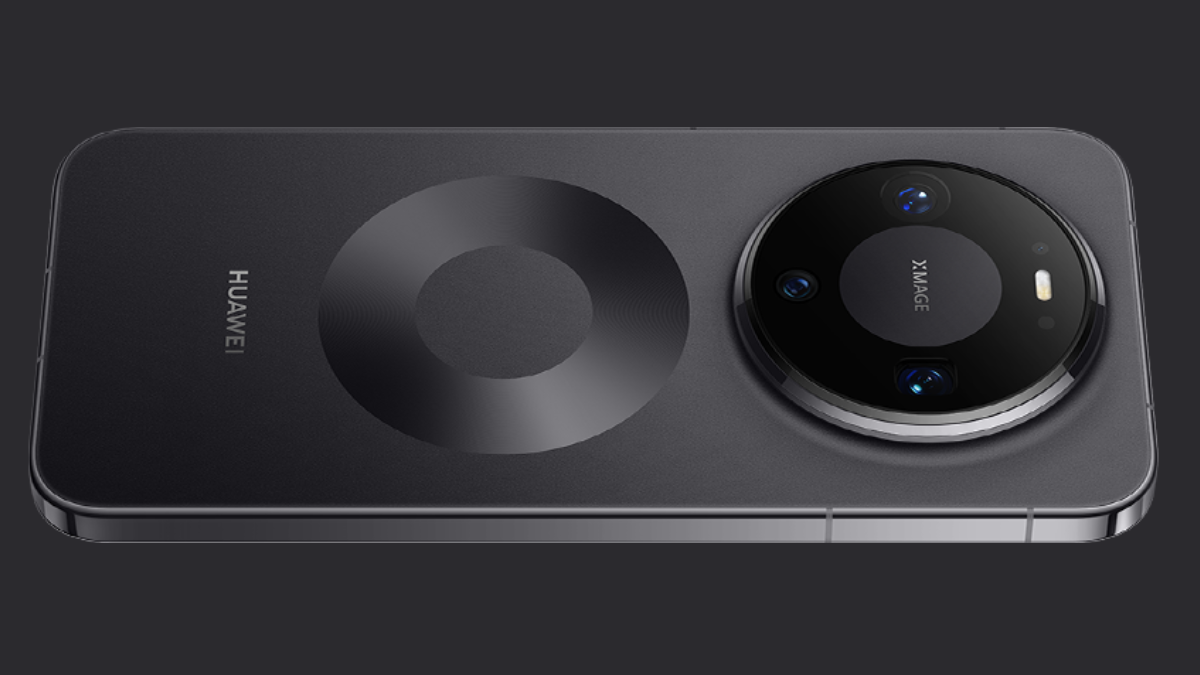
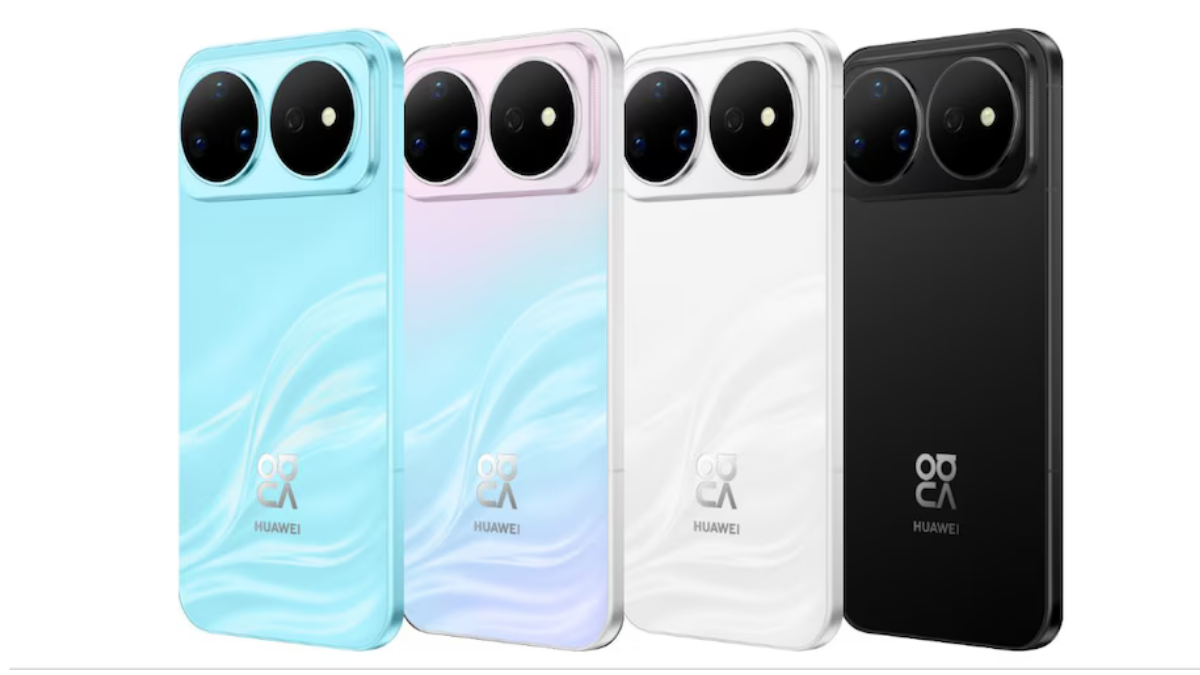
A promotional poster for the Huawei Mate 70 Air was leaked today. The phone looks similar to other phones in Huawei’s Mate 70 family, but it’s much thinner.

The back of the phone has a round camera area with Huawei’s XMAGE camera logo on it. The edges of the phone appear to be shiny and polished. The back cover has a textured surface, similar to another Huawei model called the Mate 70 Pro+.
What’s inside the phone

There isn’t much information available yet, but the Mate 70 Air might be a mid-priced phone. Early reports said it would have 12GB of memory and either 256GB or 512GB of storage space. However, newer information suggests it will actually have 16GB of memory.
The phone is expected to have a large 6.9-inch screen. It will also have a high-quality main camera.

Other features

Advertisement

Unlike Apple’s iPhone Air, the Huawei Mate 70 Air will have a slot for a physical SIM card. The phone will run on Huawei’s HarmonyOS 5.1 software. It will come in three colors: black, white, and gold.
Huawei is expected to launch this phone in November, around the same time as its Mate 80 series.

Continue Reading

Huawei News

Huawei Mate 80 series latest Information

picture-1

Published

on

By

Huawei Mate 80 series

Tipster Digital Chat Station has confirmed that the Chinese tech giant Huawei will release new phones called the Mate 80 series in November. These new phones will have better designs, cameras, and speed.

The company is expected to compete with Apple’s new iPhone 17 phones. Huawei will make four different Mate 80 phones: the regular Mate 80, Mate 80 Pro, Mate 80 Pro+, and Mate 80 RS. Each phone will have different cameras. The regular Mate 80 will have a 50-megapixel camera.

The Pro version will have a bigger 50-megapixel camera. The Pro+ and RS models will have even bigger 50-megapixel cameras.
The Pro model might have a flat screen and face recognition. The Pro+ and RS models might have curved screens that bend more.
The best phone, the Mate 80 RS, might have a 6.9-inch screen with special technology.

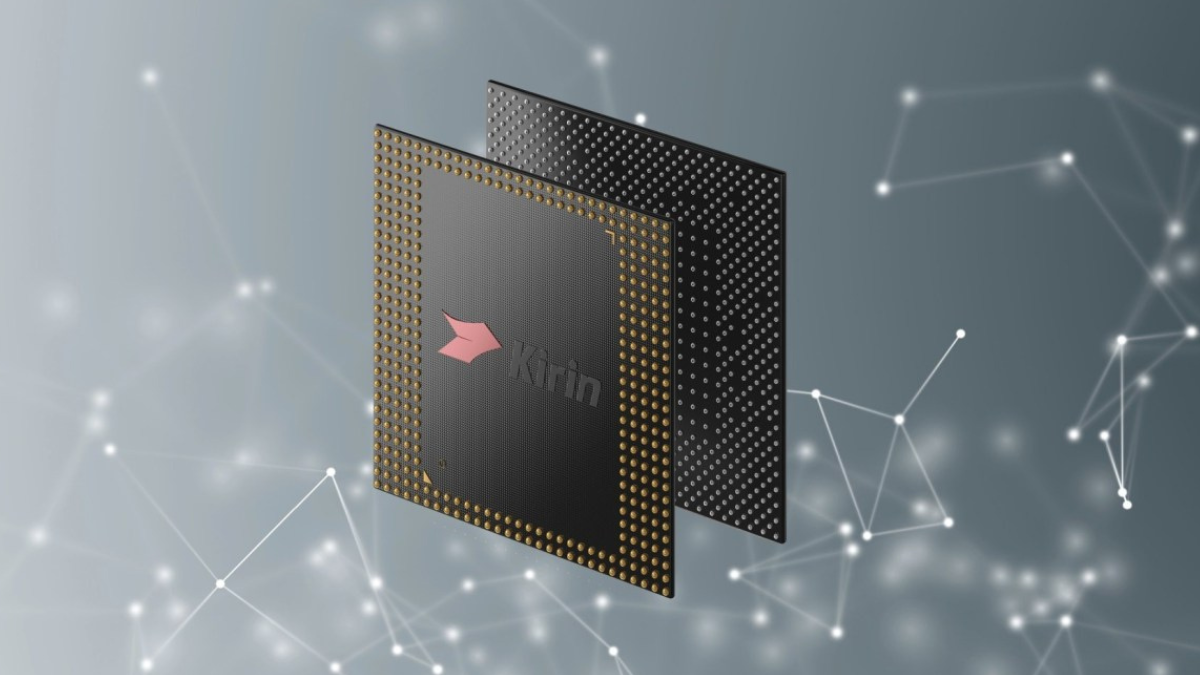
This screen should be brighter, use less battery power, and last longer than normal phone screens. Huawei might also use strong titanium metal for the frame and special glass on the back. Inside the phones, there will be a new chip called the Kirin 9030. The battery might be bigger than 6000mAh and charge very fast – 100W with a wire and 80W without wires. The phones might work with 5G internet and satellite communication.

The phones will use Huawei’s own software called HarmonyOS. This might work better with other Huawei devices and have more AI features. Some people think these improvements will help Huawei compete better with Apple, especially in battery life, communication, and smart features.

Advertisement
Continue Reading

Huawei News

Huawei’s Xu Zhijun steps down as chairman

picture-1

Published

on

By

Huawei HiSilicon

A Chinese company called HiSilicon Semiconductor just changed who’s in charge. The old boss, Xu Zhijun, stepped down from his job as the legal representative and chairman. Now the company’s CEO, Gao Ji, is taking over these roles.

Xu has been working at Huawei since 1993 and still has other important jobs there – he’s a vice chairman and sometimes serves as the rotating chairman. Him leaving this position is probably just Huawei moving people around to different jobs within the company.
HiSilicon is completely owned by Huawei and makes computer chips. This change in leadership might mean Huawei is trying to make things work better.

HiSilicon started in October 2004 when Huawei took its computer chip design team and turned it into its own company. The main office is in Shenzhen, but they also have offices in Beijing, Shanghai, and other cities in China.

Continue Reading

Most Popular