


Huawei News
Huawei Video launched the PP sports zone in App
On November 13, Huawei Video and PP Sports held a cooperation conference to announce the official launch of the PP Sports zone in the Huawei Video App.
Xu Xiaolin, Director of the Video Business Department of Huawei Consumer Cloud Services, said at the press conference that after the PP sports zone is stationed in Huawei Video, end-users such as Huawei mobile phones, tablets, and smart screens can watch the day of the Super League championship battle in the zone, and can also watch the Super League and the Champions League. , Bundesliga, Serie A, and other domestic and foreign events broadcast and live broadcast.
According to the latest report, the two parties will also jointly launch a Cantonese membership package for Cantonese users to watch sports videos.
It is said that after the Cantonese membership package is launched, users can watch Bundesliga, Serie A, Ligue 1, Chinese Super League (Guangzhou Evergrande, Guangzhou R&F, and Shenzhen Kaisa), Champions League, European Union, AFC, other special Cantonese Interpretation of events and nearly 300 Cantonese interpretive events.
Huawei News
Huawei MateBook 14 2026 Launches with Pure Kirin Processor and HarmonyOS Next
Huawei has taken its most significant step yet toward absolute independence from western technology platforms. The company officially launched its newest laptop model, the MateBook 14, which completely removes traditional American processing hardware and operating software. This new laptop marks the first time a mainstream consumer computer from the company relies entirely on internal architecture built from scratch.
Ditching traditional processing and operating systems
For years, consumer laptops from the company relied on processing platforms from Intel or AMD, alongside the Microsoft Windows operating platform. The new version of the laptop completely severs those ties. Under the hood, the computer runs on a brand-new Kirin desktop processor designed directly by the chip division of the company to maximize power efficiency.
More importantly, the machine runs the desktop variant of HarmonyOS Next. This operating platform is unique because it removes all legacy code, meaning it no longer supports standard Android application packages or traditional Windows files natively. Instead, the company has spent years building a fresh app ecosystem, encouraging major software developers to write native code specifically for the new user interface layout.
Built for heavy daily productivity workloads
To help users transition away from traditional office software, the company signed an expanded cooperation agreement with global office software partners. This collaboration ensures that productivity tools run smoothly on the new layout. The system includes advanced cross-device features, allowing users to transfer massive documents, spreadsheets, or images from a smartphone to the laptop screen with a single touch command.
The laptop also features built-in container tools that allow technical users to run independent development programs safely without slowing down the primary interface. Beyond the internal software shift, the computer maintains the signature premium build quality of the company, offering a vibrant high-resolution display with thin bezels and an updated tactile keyboard layout.
By taking full control over both the internal processing hardware and the underlying operating system software, the company is aiming to provide a smooth, deeply integrated ecosystem experience that directly challenges traditional premium laptops.
Huawei News
Huawei nova 16 series launch confirmed for June 1 with fresh design
Huawei is preparing to refresh its popular mid-range smartphone catalog. The company has officially announced that it will host a major hardware reveal event in China on June 1 to introduce the brand-new nova 16 series. Alongside the event confirmation, the company kicked off early customer reservations, giving tech enthusiasts a clear look at a bold new rear camera design language.
Four nova 16 series models for different needs
The upcoming smartphone lineup will consist of four unique models designed to hit different price points. These include a standard model, a budget-friendly variant, a Pro model, and a top-tier Ultra variant. By spreading the hardware across multiple price brackets, the company aims to protect its strong position in the highly competitive mid-range phone market.
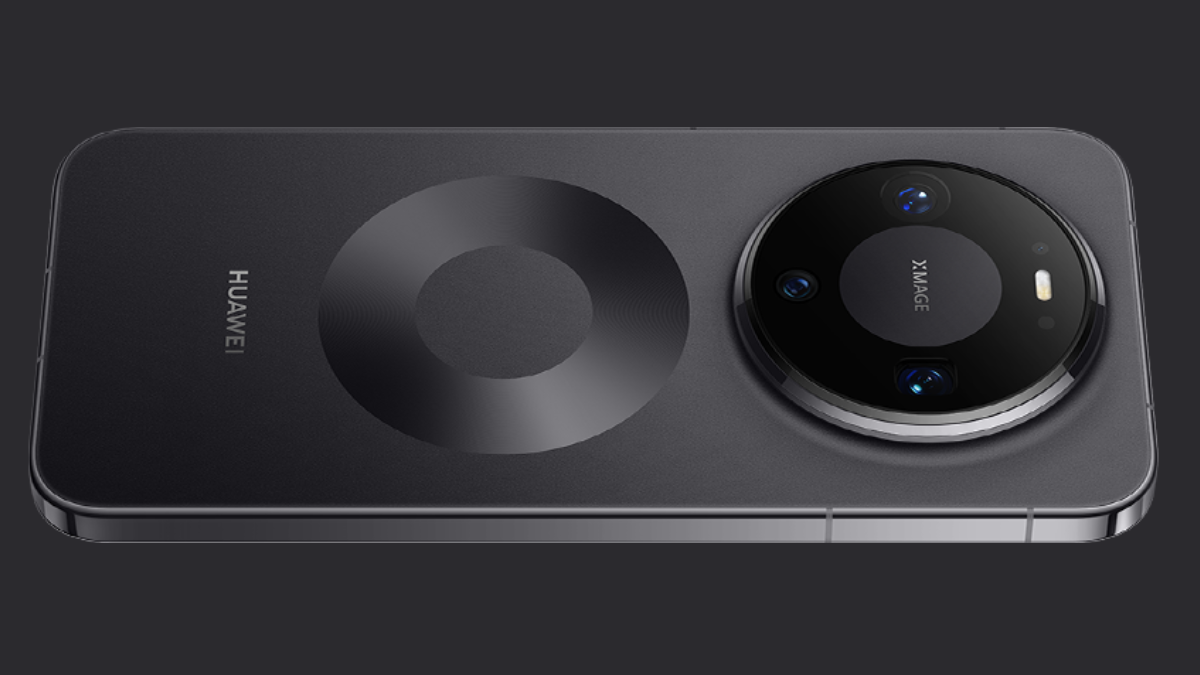
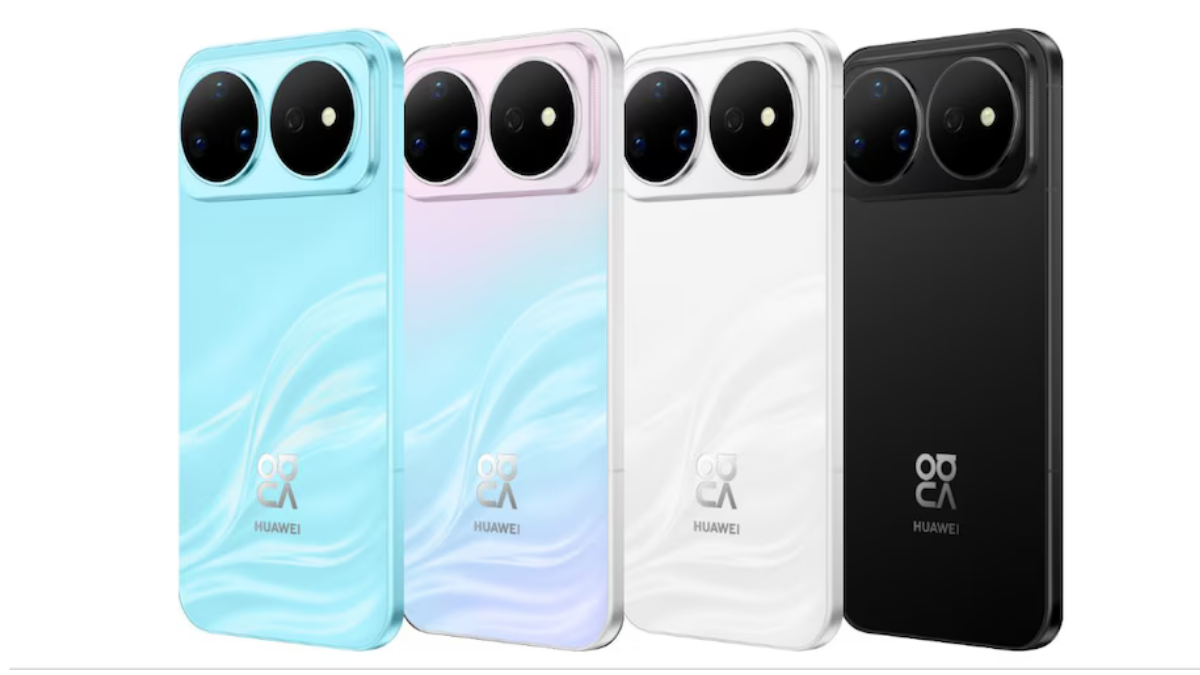
The visual design marks a complete departure from previous generations. Official teaser images show that the higher-end Pro and Ultra models will feature a rectangular camera island on the back, which houses two large circular discs. These discs contain a triple-camera system and a strong dual-tone flash module. The standard version simplifies this look into a dual-camera system, while the affordable variant uses a vertically stacked pill-shaped camera module.

nova 16

nova 16z and nova 16
Massive battery power and premium screen technology
On the front, the premium variants will feature a pill-shaped cutout to accommodate a dual-selfie camera setup, while the standard models utilize a single centered hole-punch cutout. The company has showcased the premium versions in eye-catching sky blue and iridescent color options that shift appearance depending on how light hits the back panel.
Early hardware leaks suggest that the top-tier Ultra model will bring flagship-level components to a lower price point. The phone is rumored to feature a large 6.84-inch screen utilizing advanced variable refresh rate technology to keep animations smooth while preserving daily battery health. Most notably, the company is reportedly packing a massive 7,000mAh capacity battery inside the slim body of the phone, combined with ultra-fast wired charging support. A high-resolution 50-megapixel primary camera sensor rounds out the internal hardware package, making it a highly anticipated mid-range option.
Huawei News
Huawei confirms Mate 90 series launch timeframe with new Kirin chip architecture
Huawei has officially dropped its first major clues regarding the arrival of its next premium smartphone lineup. During a technical presentation at a major electronics engineering symposium in Shanghai, a top executive from the company confirmed that the upcoming flagship Mate 90 series will arrive later this year. The announcement came alongside a detailed look at the radical new silicon design that will power the devices.
A shift away from traditional chip design
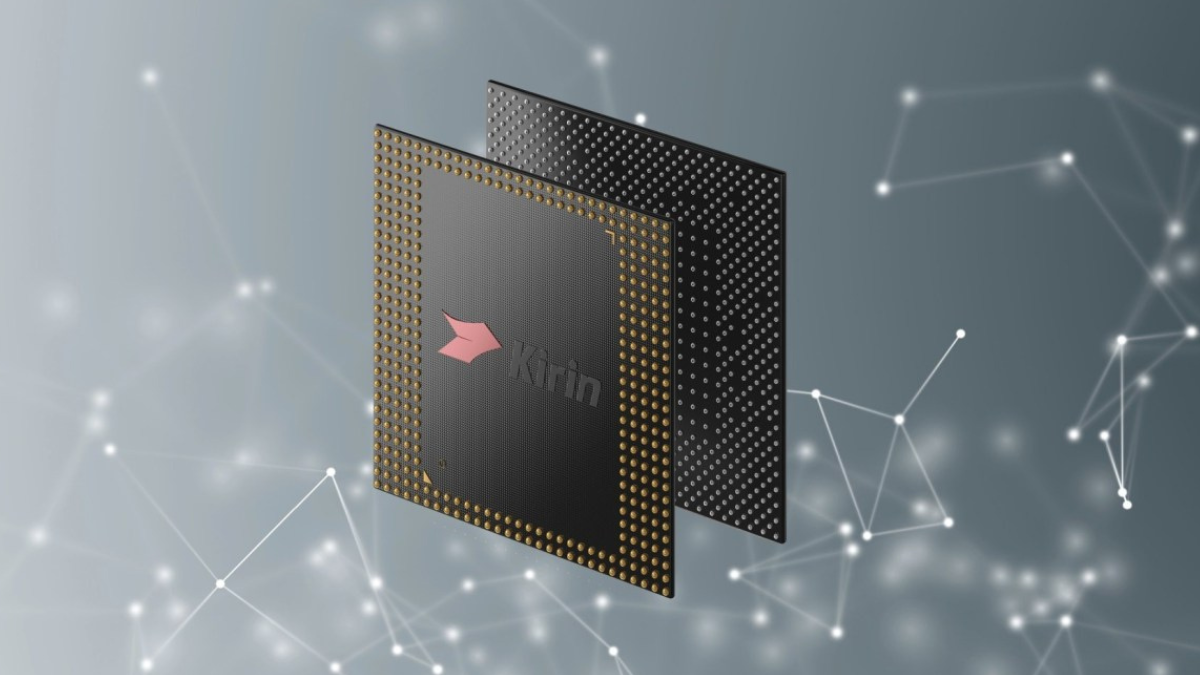
The core highlight of the upcoming flagship series is its next-generation Kirin processor. Huawei is introducing a brand-new engineering concept known as the Tau Scaling Law to build its mobile chips. Instead of focusing strictly on making transistors physically smaller, the new method focuses on reducing the overall time it takes for signals to move through the internal circuitry of the hardware.
To achieve this speed boost, the company developed an internal technology layout called LogicFolding. This design breaks down the traditional boundaries found inside standard mobile processors, shortening internal wiring pathways to keep data moving smoothly. The company claims this architecture allows its chips to reach high performance levels that directly compete with advanced silicon found in rival premium smartphones, effectively bypassing current manufacturing limitations.
An earlier launch window on the horizon
During the technical event, the head of the semiconductor division for the company explicitly noted that the new LogicFolding hardware will officially debut inside products during the fall season of 2026. Because the premium Mate lineup serves as the main launch platform for new mobile silicon each year, this confirmation heavily points to a release window between late September and October.
This timeline represents a slightly earlier release schedule compared to previous hardware generations, which typically arrived closer to November. Industry insiders suggest that the company is moving quickly to capture market share ahead of the busy holiday shopping season. Production lines are already spinning up to ensure adequate inventory levels at launch.
The company plans to use this advanced processing power to handle heavy localized productivity workflows and multi-window computing tasks right on the mobile device. As the launch window approaches, more specific details regarding camera sensors and battery capacities are expected to emerge from regional regulatory filings. The premium smartphone market is shaping up for a highly competitive second half of the year.