


Connect with us

Huawei News

Huawei model TD-LTE have passed 3C certification with 66W charger

picture-1

Published

on

Huawei TD-LTE

Huawei new model TD-LTE has now passed 3C certification, with a 66W charger. The 3C certification shows that the applicant and manufacturer of this mobile phone are Huawei Terminal Co., Ltd., and the manufacturer is Huawei Machine Co., Ltd., and the first certification date is July 1.

It is not clear whether this new Huawei phone belongs to the P50 series or the Nova 9 series. The phone supports up to a 4G network, is equipped with a peak power 66W charger, and is equipped with a HarmonyOS system.

On June 2, Huawei’s consumer business CEO Yu Chengdong announced the Huawei P50 series at the Hongmeng HarmonyOS 2 and Huawei’s full-scene new product launch. However, “for well-known reasons, the launch time of the Huawei P50 series has not yet been determined.”

Advertisement

Huawei TD-LTE 3C certification

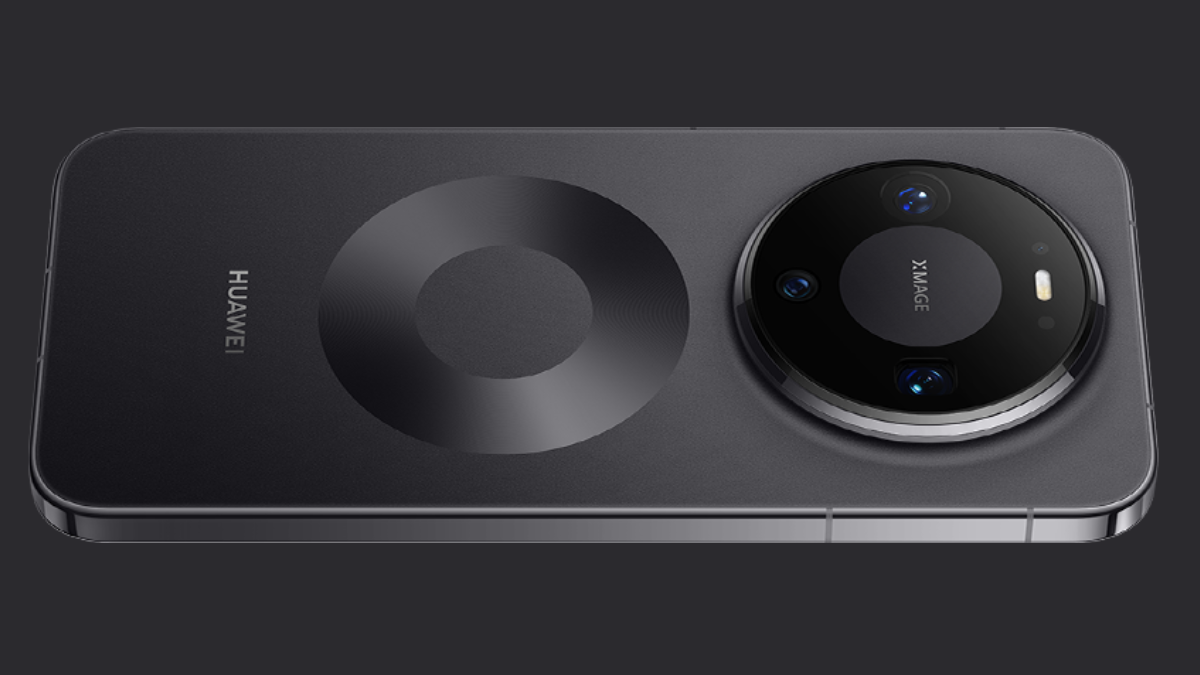
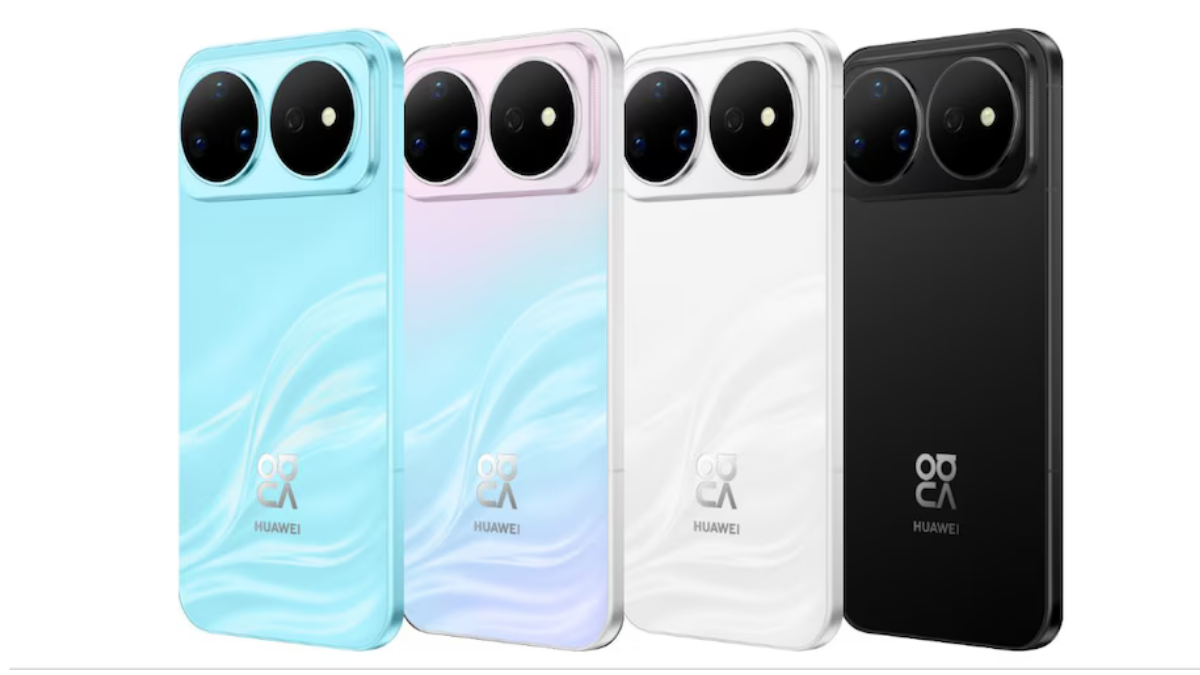
Huawei P50 uses an oval double ring lens group design. In terms of camera arrangement, Huawei P50 has four rear cameras and adopts a “3+1” camera layout, including 3 cameras on the top and 1 camera on the bottom.


Huawei model TD-LTE HarmonyOS

Join_Huawei_Update_Telegram_Channel

Huawei News

Huawei Named Leader in 2026 Gartner Wired and Wireless LAN Infrastructure Magic Quadrant

picture-1

Published

on

By

Huawei Gartner 2026 image

Huawei secures Leader position in global enterprise campus network report

Huawei has officially confirmed that it achieved another major milestone in its enterprise hardware division. A leading global research firm has officially positioned the company as a Leader in the 2026 Magic Quadrant for Enterprise Wired and Wireless LAN Infrastructure. This achievement marks the fourth consecutive year the company has held this top-tier spot, highlighting its massive global presence.

The only non-North American vendor in the top tier

The position is highly significant because Huawei remains the absolute only non-North American company to sit inside the prestigious Leaders section of the industrial report. Industry analysts note that this recognition reflects the steady commitment of the company to solving complex networking problems for large corporate campuses, government offices, schools, and healthcare facilities worldwide.

To keep pace with modern data demands, the company recently rolled out a major upgrade to its business networking line, officially known as the Xinghe AI Campus Solution. This updated enterprise offering focuses heavily on delivering three core pillars for modern workplaces: ultra-fast wireless connections, full-scope hardware security shields, and absolute network autonomy to reduce daily upkeep requirements for corporate technical teams.

Advertisement
Huawei Gartner 2026 image

Huawei Gartner 2026 image

Advanced wireless speed and built-in anti-spying protection

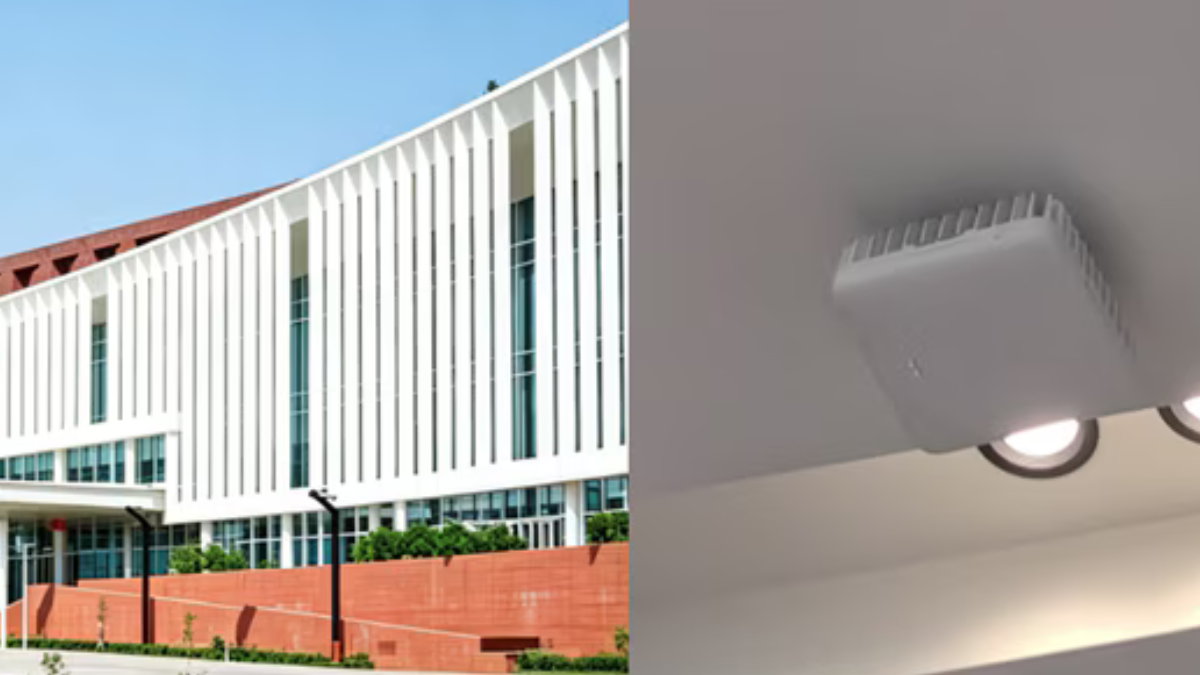
On the hardware side, the company introduced a unique wireless access point that builds heavily on current Wi-Fi 7 technical standards while anticipating upcoming Wi-Fi 8 features. This device utilizes a multi-point coordination technology developed by the company to eliminate signal interference in crowded office buildings, effectively doubling the network speed for individual users during heavy traffic spikes.

Security also received a massive overhaul in the new software package. The company integrated an exclusive protection tool called Wi-Fi Shield, which completely blocks the threat of data packet eavesdropping right at the physical radio layer. Furthermore, the system includes post-quantum cryptography to ensure that company data transmissions remain safe from future decryption threats.

Finally, the automated operation tools can analyze network health in real time, allowing the system to automatically fix roughly 80 percent of common wireless connection issues within a few minutes without requiring manual intervention from an IT manager.

Advertisement
Continue Reading

Huawei News

Huawei unveils Tau Scaling Law chip framework to reach 1.4nm density by 2031

picture-1

Published

on

By

Huawei unveils Tau Scaling Law chip

Huawei has officially revealed a massive shift in how the company designs and builds microchips. Speaking at a major worldwide electronics symposium in Shanghai, a top executive from the company introduced a brand-new semiconductor framework called the Tau Scaling Law. This new design rule aims to push the hardware limits of the company to match highly advanced global standards over the next few years.

Moving from physical size to time efficiency

For decades, the global semiconductor industry relied strictly on a concept known as Moore’s Law, which focused on physically shrinking transistors to squeeze more power onto a single piece of silicon. However, that traditional path is hitting severe physical roadblocks and becoming incredibly expensive. Because trade restrictions prevent the company from buying the most advanced chipmaking machines, Huawei is choosing a completely different engineering route.

The Tau Scaling Law proposes replacing geometric shrinking with time scaling. Instead of worrying about making components smaller, the company is focusing on reducing the exact amount of time it takes for electrical signals to move across circuits, chips, and entire computing systems. By compressing these internal transmission delays, the company can steadily improve overall chip performance without needing rare manufacturing equipment.

Advertisement

The roadmap to competitive hardware matching

The company revealed that this framework is not just a theoretical idea. Over the past six years, the chip division of the company has quietly designed and mass-produced 381 distinct chips utilizing this time-based method across consumer electronics and large-scale data networks. This foundational experience is giving the company high confidence in its future hardware delivery timeline.

According to official statements, the company expects its premium chips to achieve an operational transistor density equivalent to a highly advanced 1.4-nanometer process by the year 2031. This timeline puts the company on a highly competitive path to match major global foundries that are currently aiming to mass-produce their own 1.4-nanometer chips around late 2028.

Huawei unveils Tau Scaling Law chip

Huawei unveils Tau Scaling Law chip

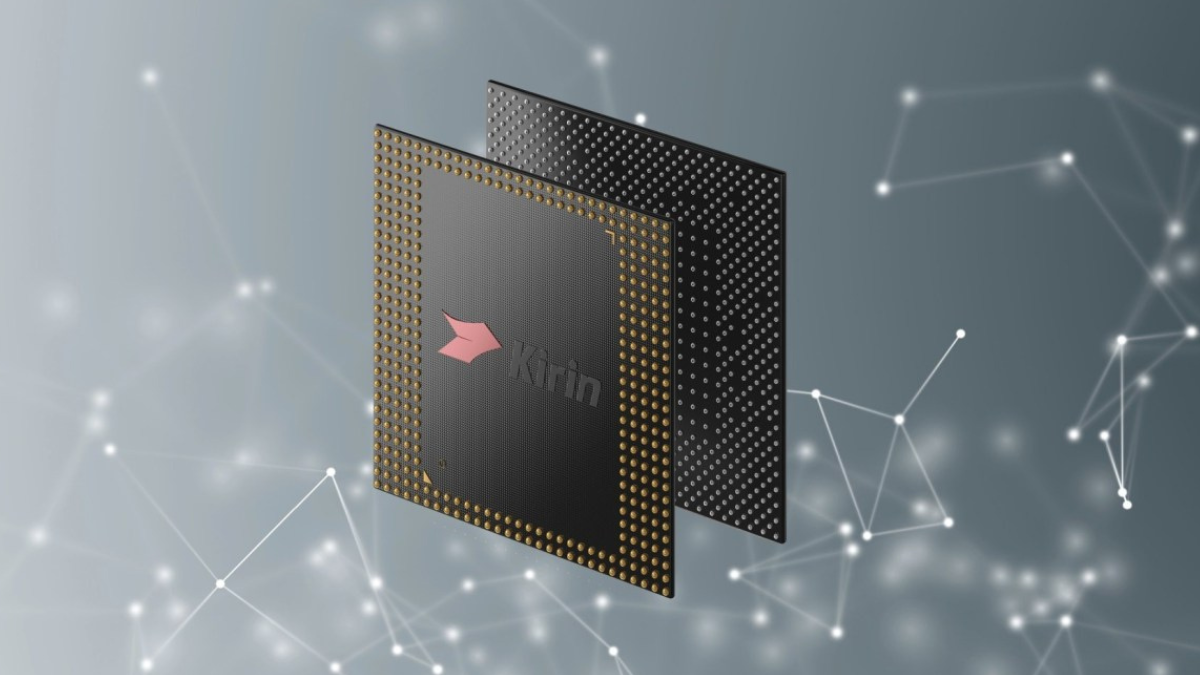
Before that distant goal, the company will launch a new Kirin smartphone processor this upcoming autumn season that fully adopts a multilayer circuit design called LogicFolding. This immediate release will serve as the first mainstream consumer test for the new hardware philosophy, shaking up the smartphone processor market.

Advertisement
Continue Reading

Huawei News

Huawei MateBook 14 2026 Launches with Pure Kirin Processor and HarmonyOS Next

picture-1

Published

on

By

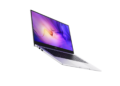
Huawei MateBook 14 2026

Huawei has taken its most significant step yet toward absolute independence from western technology platforms. The company officially launched its newest laptop model, the MateBook 14, which completely removes traditional American processing hardware and operating software. This new laptop marks the first time a mainstream consumer computer from the company relies entirely on internal architecture built from scratch.

Ditching traditional processing and operating systems

For years, consumer laptops from the company relied on processing platforms from Intel or AMD, alongside the Microsoft Windows operating platform. The new version of the laptop completely severs those ties. Under the hood, the computer runs on a brand-new Kirin desktop processor designed directly by the chip division of the company to maximize power efficiency.

More importantly, the machine runs the desktop variant of HarmonyOS Next. This operating platform is unique because it removes all legacy code, meaning it no longer supports standard Android application packages or traditional Windows files natively. Instead, the company has spent years building a fresh app ecosystem, encouraging major software developers to write native code specifically for the new user interface layout.

Advertisement

Built for heavy daily productivity workloads

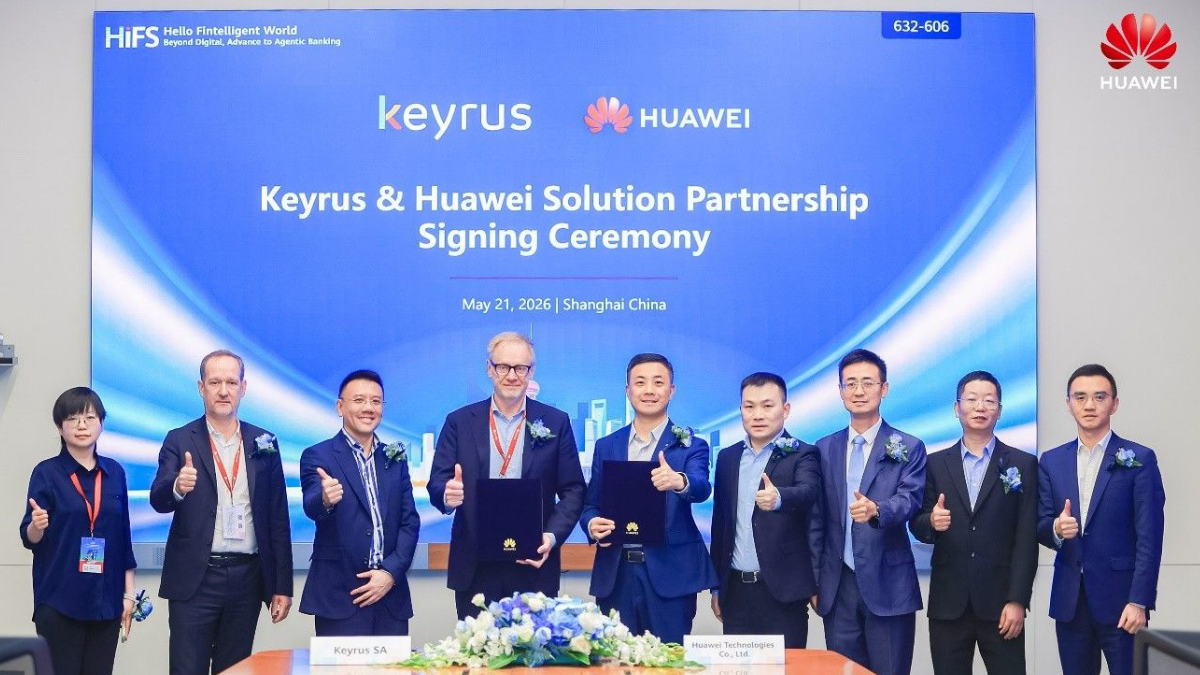
To help users transition away from traditional office software, the company signed an expanded cooperation agreement with global office software partners. This collaboration ensures that productivity tools run smoothly on the new layout. The system includes advanced cross-device features, allowing users to transfer massive documents, spreadsheets, or images from a smartphone to the laptop screen with a single touch command.

The laptop also features built-in container tools that allow technical users to run independent development programs safely without slowing down the primary interface. Beyond the internal software shift, the computer maintains the signature premium build quality of the company, offering a vibrant high-resolution display with thin bezels and an updated tactile keyboard layout.

By taking full control over both the internal processing hardware and the underlying operating system software, the company is aiming to provide a smooth, deeply integrated ecosystem experience that directly challenges traditional premium laptops.

Advertisement
Continue Reading

Most Popular