
Huawei News
Huawei explains the Massive MIMO antenna array technology in detail
Recently, at the World 5G Convention, China Mobile, together with Huawei and over 10 other partners, set up the 5G VoNR+ (New Calling) Working Group for the 5G Deterministic Networking Alliance (5GDNA).
Now, Huawei has explained the Massive MIMO antenna array technology in detail. The company has a number of operators to carry out Massive MIMO technology trials in different regions. This technology is called ” large-scale antenna array technology “.
Huawei said that in the 4G era, it will apply Massive MIMO technology to base stations. This technology requires comprehensive guarantees of data transmission capabilities, antenna engineering, and software and hardware adaptation, which is relatively difficult in the application process.
In September 2014, Huawei jointly launched the world’s first laboratory prototype with China Mobile , and launched the Massive MIMO commercial prototype a year later. Subsequently, Huawei base stations equipped with this technology were applied in Beijing, Shanghai, Tokyo and other cities, achieving a single carrier measured rate of more than 650Mbps, and the base station signal coverage was nearly doubled.
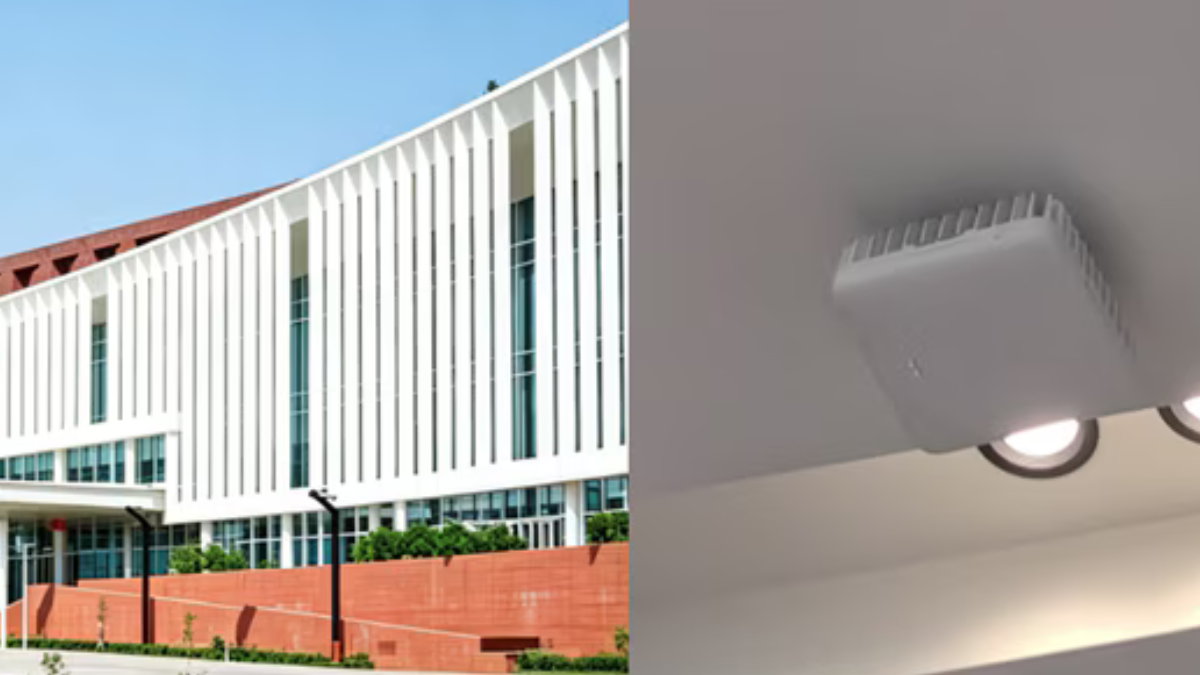
Officials said that Massive MIMO technology is very suitable for urban three-dimensional space, suitable for high-rise buildings, subways, and residential buildings with complex terrain and a lot of interference . In addition, one of the advantages of this technology is that the cost of transformation is small, and the user does not need to replace the mid-end.
After the arrival of 5G technology, Huawei has stepped up research and development of key technologies and has successively launched a variety of commercial equipment, which has promoted the second evolution of Massive MIMO. The second evolution makes the base station equipment more integrated, the base station is smaller and lighter, reduces the cost of updating and deploying the 5G network , and achieves an experience upgrade that is more than 10 times that of 4G. In addition to the TDD frequency band, Huawei is also promoting the evolution of FDD to Massive MIMO, and the evolution of millimeter waves to super-large-scale arrays.

The third upgrade of Huawei’s Massive MIMO technology is a new direction towards green energy saving and low environmental protection. In the past, the windward area of Massive MIMO was only 0.3 square meters, and the skyspace of the site was not fully utilized. The new green version of Massive MIMO can achieve barrier-free deployment, make full use of space, and maximize the utilization of sky resources. The new green version of Massive MIMO is configured with a transmission power of 160W, which can reach the traditional coverage of 320W and reduce energy consumption by more than 50%.
(Via)
Huawei News
Huawei Mate 70 Air shows up in a promotional photo
Huawei is getting ready to release a new super-thin phone called the Mate 70 Air. Some details about this phone have already been leaked online, and now a new picture has appeared showing what it looks like.
What the phone looks like
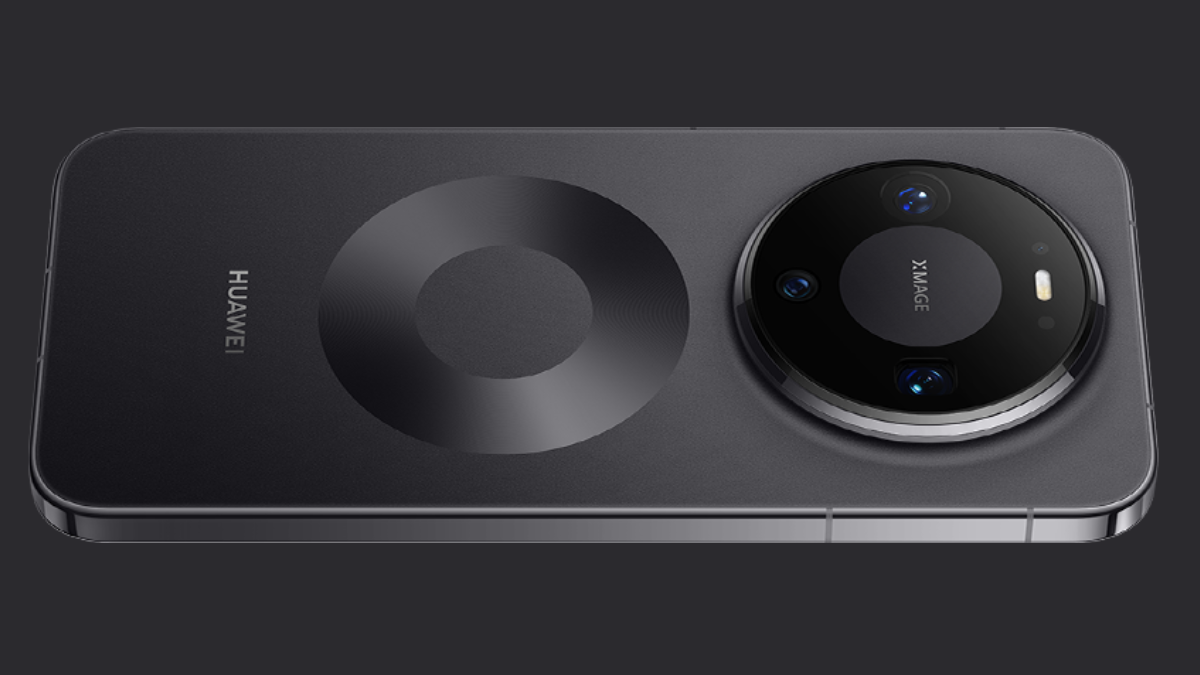
A promotional poster for the Huawei Mate 70 Air was leaked today. The phone looks similar to other phones in Huawei’s Mate 70 family, but it’s much thinner.
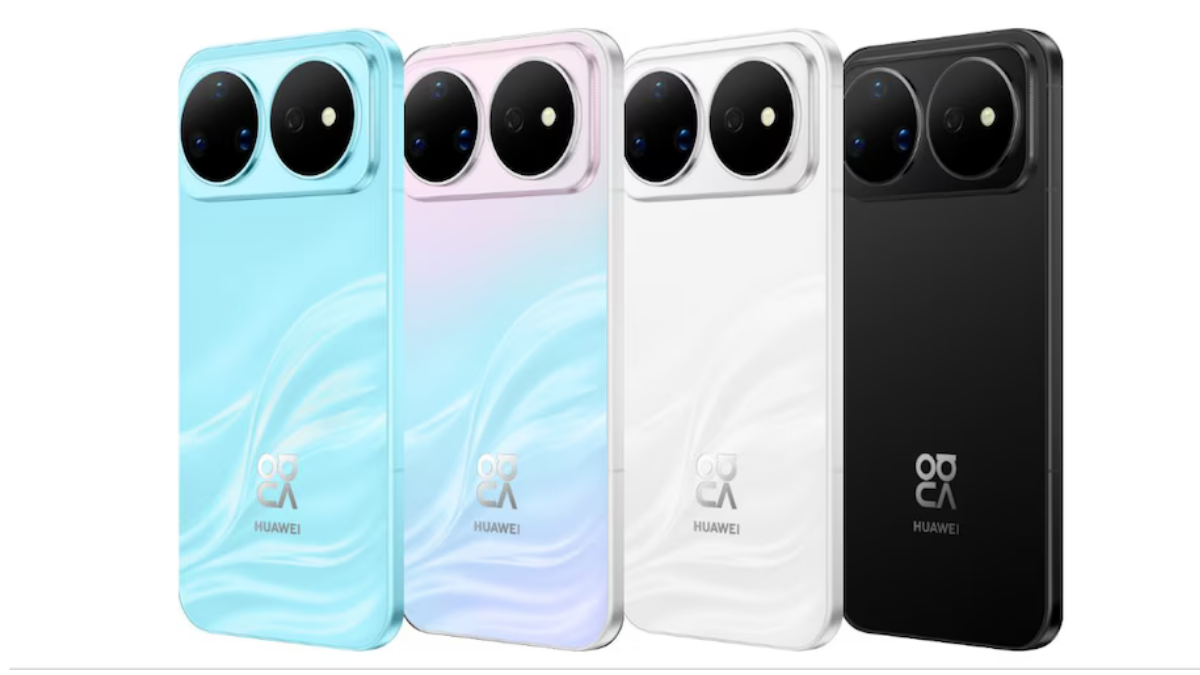
The back of the phone has a round camera area with Huawei’s XMAGE camera logo on it. The edges of the phone appear to be shiny and polished. The back cover has a textured surface, similar to another Huawei model called the Mate 70 Pro+.
What’s inside the phone
There isn’t much information available yet, but the Mate 70 Air might be a mid-priced phone. Early reports said it would have 12GB of memory and either 256GB or 512GB of storage space. However, newer information suggests it will actually have 16GB of memory.
The phone is expected to have a large 6.9-inch screen. It will also have a high-quality main camera.
Other features
Unlike Apple’s iPhone Air, the Huawei Mate 70 Air will have a slot for a physical SIM card. The phone will run on Huawei’s HarmonyOS 5.1 software. It will come in three colors: black, white, and gold.
Huawei is expected to launch this phone in November, around the same time as its Mate 80 series.
Huawei News
Huawei Mate 80 series latest Information
Tipster Digital Chat Station has confirmed that the Chinese tech giant Huawei will release new phones called the Mate 80 series in November. These new phones will have better designs, cameras, and speed.
The company is expected to compete with Apple’s new iPhone 17 phones. Huawei will make four different Mate 80 phones: the regular Mate 80, Mate 80 Pro, Mate 80 Pro+, and Mate 80 RS. Each phone will have different cameras. The regular Mate 80 will have a 50-megapixel camera.
The Pro version will have a bigger 50-megapixel camera. The Pro+ and RS models will have even bigger 50-megapixel cameras.
The Pro model might have a flat screen and face recognition. The Pro+ and RS models might have curved screens that bend more.
The best phone, the Mate 80 RS, might have a 6.9-inch screen with special technology.
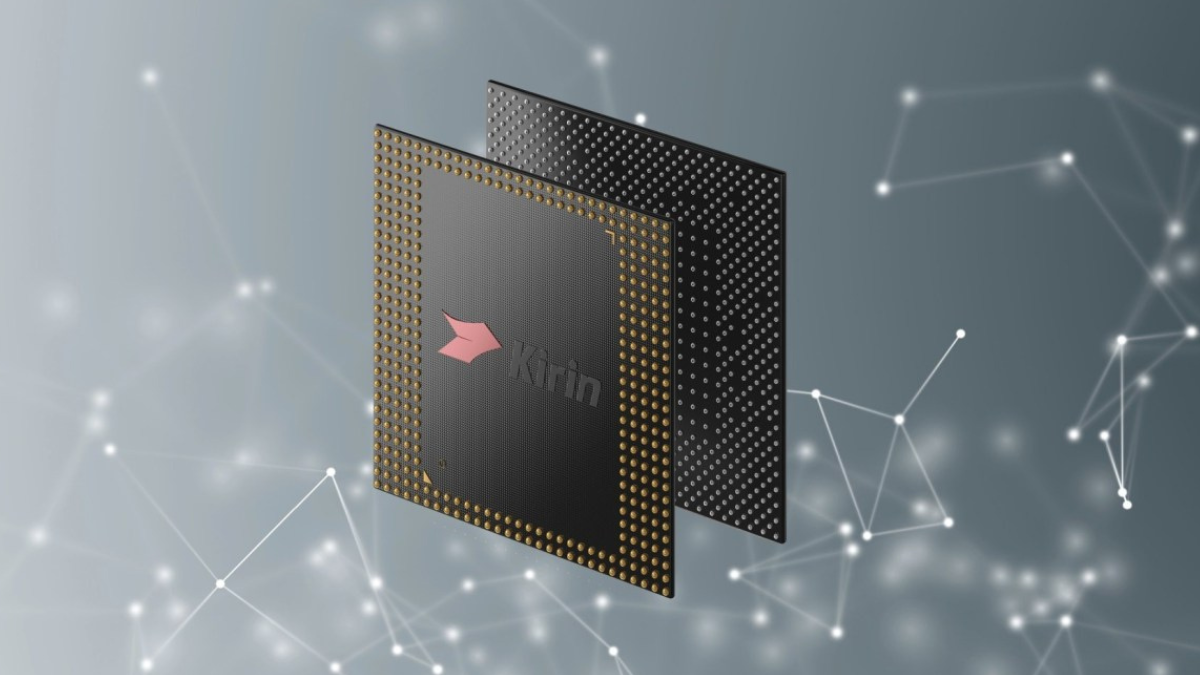
This screen should be brighter, use less battery power, and last longer than normal phone screens. Huawei might also use strong titanium metal for the frame and special glass on the back. Inside the phones, there will be a new chip called the Kirin 9030. The battery might be bigger than 6000mAh and charge very fast – 100W with a wire and 80W without wires. The phones might work with 5G internet and satellite communication.
The phones will use Huawei’s own software called HarmonyOS. This might work better with other Huawei devices and have more AI features. Some people think these improvements will help Huawei compete better with Apple, especially in battery life, communication, and smart features.
Huawei News
Huawei’s Xu Zhijun steps down as chairman
A Chinese company called HiSilicon Semiconductor just changed who’s in charge. The old boss, Xu Zhijun, stepped down from his job as the legal representative and chairman. Now the company’s CEO, Gao Ji, is taking over these roles.
Xu has been working at Huawei since 1993 and still has other important jobs there – he’s a vice chairman and sometimes serves as the rotating chairman. Him leaving this position is probably just Huawei moving people around to different jobs within the company.
HiSilicon is completely owned by Huawei and makes computer chips. This change in leadership might mean Huawei is trying to make things work better.
HiSilicon started in October 2004 when Huawei took its computer chip design team and turned it into its own company. The main office is in Shenzhen, but they also have offices in Beijing, Shanghai, and other cities in China.

