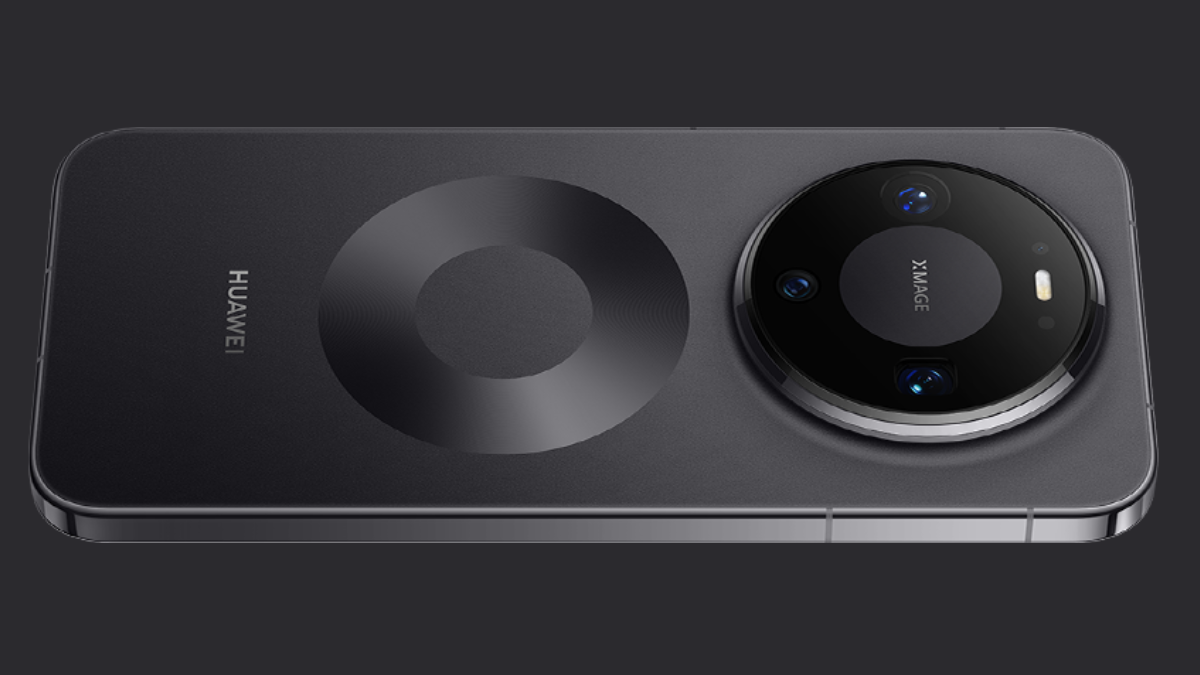

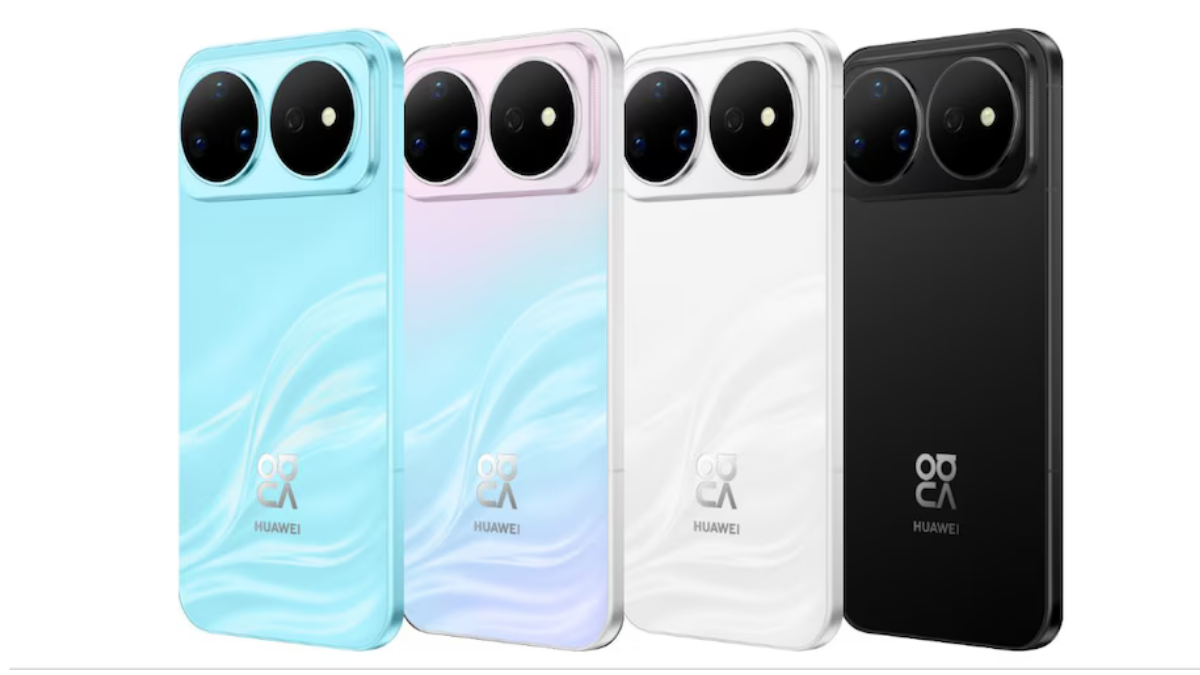





Huawei has officially launched the Nova 12 series – Huawei Nova 12, Huawei Nova 12 Pro, Huawei Nova 12 Ultra and Huawei Nova 12 Lite in China. The latest smartphones run HarmonyOS 4.
The Huawei Nova 12, Huawei Nova 12 Pro, and Nova 12 Ultra are equipped with 4,600mAh battery with support for up to 100W wired fast charging. The Huawei Nova 12 Lite, the entry-level model in the family, is powered by a Snapdragon 778G 4G SoC. All four models flaunt 50-megapixel dual rear camera units. Check the complete specifications below.
Huawei Nova 12 Specifications
- Dimensions: Length 161.54mm, width 75.36mm, thickness 6.98mm
- Weight: Approximately 191 g
- Size: 6.7 inches
- Color: 1.07 billion colors, P3 wide color gamut
- Type: OLED, supports up to 120 Hz refresh rate, 300 Hz touch sampling rate
- Resolution: FHD+ 2412 × 1084 pixels
- HarmonyOS: HarmonyOS 4.0
- Memory: 256GB / 512GB ROM
- Rear Camera: 50-megapixel super-sensitive camera (f/1.9 aperture, RYYB super-sensitive color filter array) + 8-megapixel ultra-wide-angle macro camera (f/2.2 aperture)
- Rear camera zoom mode: Maximum 10x digital zoom
- Rear camera photo resolution: Supports up to 8192 × 6144 pixels
- Rear camera camera resolution: Supports up to 3840 × 2160 pixels
- Rear camera shooting function: Large aperture, night scene, portrait, photo, video, short video, professional mode, slow motion, panorama, time-lapse photography, super macro, high pixel, micro movie, voice-activated photo, smile capture, time-lapse shooting, automatic watermark addition, AI Meipai, dynamic photos, filters, QR code scanning, portrait focus tracking, portrait color retention, portrait blur
- Front Camera: 60-megapixel ultra-wide-angle camera (f/2.4 aperture)
- Front camera photo resolution: Supports up to 8960 × 6720 pixels
- Front camera camera resolution: Supports up to 3840 × 2160 pixels
- Front camera shooting function: Night mode, portrait, photo, video, short video, time-lapse photography, panorama, slow motion, high pixels, micro movie, automatically add watermark, self-portrait mirror, smile capture, voice-activated photo, time-lapse shooting, filter, beauty
- Battery: 4600 mAh battery (typical)
- Wired charging: The phone supports maximum super fast charging 20V/5A, compatible with 11V/6A or 10V/4A or 10V/2.25A or 4.5V/5A or 5V/4.5A super fast charging, compatible with 9V/2A fast charging and 5V/2A output
- WLAN: 2.4 GHz and 5 GHz, 802.11 a/b/g/n/ac/ax, 2 × 2 MIMO, HE160, 1024 QAM, 8 Spatial-stream Sounding MU-MIMO
- Bluetooth: BT 5.2, supports BLE, supports SBC, AAC, supports LDAC and L2HC high-definition audio
Data line interface: USB Type-C, supports USB 2.0 - Headphone jack: USB Type-C
- NFC: Support card reader mode, card simulation mode (Huawei wallet payment, SIM card payment*, HCE payment)
- Sensors: Gravity sensor, Fingerprint sensor, Gyro, Compass, Ambient light sensor, Color temperature sensor, Laser focus sensor, Proximity light sensor

Huawei Nova 12 Pro Specifications
- Dimensions: Length 163.14mm, width 74.96mm, thickness 7.68 mm
- Weight: Approximately 201 g
- Size: 6.76 inches
- Color: 1.07 billion colors, P3 wide color gamut
- Type: OLED, supports 1-120 Hz LTPO adaptive refresh rate, 2160 Hz high-frequency PWM dimming, 300 Hz touch sampling rate
- Resolution: FHD+ 2776 × 1224 pixels
- HarmonyOS: HarmonyOS 4.0
- Memory: 256GB / 512GB ROM
- Rear Camera: 50-megapixel physical variable aperture camera (f/1.4~f/4.0 aperture, RYYB super-sensitive color filter array) + 8-megapixel ultra-wide-angle macro camera (f/2.2 aperture)
- Rear camera zoom mode: Maximum 10x digital zoom
- Rear camera photo resolution: Supports up to 8192 × 6144 pixels
- Rear camera camera resolution: Supports up to 3840 × 2160 pixels
- Rear camera shooting function: Large aperture, night scene, portrait, photo, video, short video, professional mode, slow motion, panorama, time-lapse photography, super macro, high pixel, micro movie, voice-activated photo, smile capture, time-lapse shooting, automatic watermark addition, AI Meipai, dynamic photos, filters, QR code scanning, portrait focus tracking, portrait color retention, portrait blur
- Front Camera: 60-megapixel ultra-wide-angle focus camera (f/2.4 aperture, AF autofocus) + 8-megapixel portrait close-up camera (f/2.2 aperture, AF autofocus)
- Front camera zoom mode: 2x optical zoom, 5x digital zoom
- Front camera photo resolution: Supports up to 8960 × 6720 pixels
- Front camera camera resolution: Supports up to 3840 × 2160 pixels
- Front camera shooting function: Night scene, portrait, photo, video, short video, time-lapse photography, panorama, slow motion, high pixels, micro movie, automatically add watermark, self-portrait mirror, smile capture, voice-activated photo, time-lapse shooting, filter, beauty, near object focus
- Battery: 4600 mAh battery (typical)
- Wired charging: The phone supports maximum super fast charging of 20V/5A, compatible with 11V/6A or 10V/4A or 10V/2.25A or 4.5V/5A or 5V/4.5A super fast charging, and compatible with 9V/2A fast charging and 5V/2A output.
- WLAN: 2.4 GHz and 5 GHz, 802.11 a/b/g/n/ac/ax, 2 × 2 MIMO, HE160, 1024 QAM, 8 Spatial-stream Sounding MU-MIMO
- Bluetooth: BT 5.2, supports BLE, supports SBC, AAC, supports LDAC and L2HC high-definition audio
Data line interface: USB Type-C, supports USB 2.0 - Headphone jack: USB Type-C
- NFC: Support card reader mode, card simulation mode (Huawei wallet payment, SIM card payment*, HCE payment)
- Sensors: Gravity sensor, Fingerprint sensor, Gyro, Compass, Ambient light sensor, Color temperature sensor, Laser focus sensor, Proximity light sensor

Huawei Nova 12 Lite Specifications
- Dimensions: Length 161.29mm, width 74.96mm, thickness 6.88 mm
- Weight: Approximately 168 g
- Size: 6.7 inches
- Color: 1.07 billion colors, P3 wide color gamut
- Type: OLED, supports up to 120 Hz refresh rate, 300 Hz touch sampling rate
- Resolution: FHD+ 2412 × 1084 pixels
- SoC: Qualcomm Snapdragon™ 778G 4G
- CPU & GPU:Octa-core, 4 × Cortex-A78@2.4 GHz + 4 × Cortex-A55@1.8 GHz, Adreno™ 642L
- HarmonyOS: HarmonyOS 4.0
- Memory: 256GB / 512GB ROM
- Rear Camera: 50-megapixel super-sensing camera (f/1.9 aperture) + 8-megapixel ultra-wide-angle macro camera (f/2.2 aperture)
- Rear camera zoom mode: Maximum 10x digital zoom
- Rear camera photo resolution: Supports up to 8192 × 6144 pixels
- Rear camera camera resolution: Supports up to 3840 × 2160 pixels
- Rear camera shooting function: Large aperture, night scene, portrait, photo, video, short video, professional mode, slow motion, panorama, time-lapse photography, super macro, high pixel, micro movie, voice-activated photo, smile capture, time-lapse shooting, automatic watermark addition, AI Meipai, dynamic photos, filters, QR code scanning, portrait focus tracking, portrait color retention, portrait blur
- Front Camera: 60-megapixel ultra-wide-angle focus camera (f/2.4 aperture, AF autofocus)
- Front camera zoom mode: 2x optical zoom, 5x digital zoom
- Front camera photo resolution: Supports up to 8960 × 6720 pixels
- Front camera camera resolution: Supports up to 3840 × 2160 pixels
- Front camera shooting function: Short video, short movie, night scene mode, portrait mode, video recording, slow motion, time-lapse photography, panoramic mode, filter, self-portrait mirror, smiley face capture, voice-activated photography, time-lapse photography
- Battery: 4500 mAh battery (typical)
- Wired charging: The phone supports maximum super fast charging 11V/6A, compatible with 10V/4A or 10V/2.25A or 4.5V/5A or 5V/4.5A super fast charging, and compatible with 9V/2A fast charging
- WLAN: 2.4 GHz and 5 GHz, 802.11 a/b/g/n/ac/ax, 2 × 2 MIMO, HE160, 1024 QAM, 8 Spatial-stream Sounding MU-MIMO
- Bluetooth: BT 5.2, supports BLE, supports SBC, AAC, supports LDAC and L2HC high-definition audio
Data line interface: USB Type-C, supports USB 2.0 - Headphone jack: USB Type-C
- NFC: Support card reader mode, card simulation mode (Huawei wallet payment, SIM card payment*, HCE payment)
- Sensors: Gravity sensor, Fingerprint sensor, Gyro, Compass, Ambient light sensor, Color temperature sensor, Laser focus sensor, Proximity light sensor

Huawei Nova 12 Ultra Specifications
- Dimensions: Length 163.14mm, width 74.96mm, thickness 7.68 mm
- Weight: Approximately 198 g
- Size: 6.76 inches
- Color: 1.07 billion colors, P3 wide color gamut
- Type: OLED, supports 1-120 Hz LTPO adaptive refresh rate, 2160 Hz high-frequency PWM dimming, 300 Hz touch sampling rate
- Resolution: FHD+ 2776 × 1224 pixels
- HarmonyOS: HarmonyOS 4.0
- Memory: 512 GB / 1 TB ROM
- Rear Camera: 50-megapixel physical variable aperture camera (f/1.4~f/4.0 aperture, RYYB super-sensitive color filter array) + 8-megapixel ultra-wide-angle macro camera (f/2.2 aperture)
- Rear camera zoom mode: Maximum 10x digital zoom
- Rear camera photo resolution: Supports up to 8192 × 6144 pixels
- Rear camera camera resolution: Supports up to 3840 × 2160 pixels
- Rear camera shooting function: Large aperture, night scene, portrait, photo, video, short video, professional mode, slow motion, panorama, time-lapse photography, super macro, high pixel, micro movie, voice-activated photo, smile capture, time-lapse shooting, automatic watermark addition, AI Meipai, dynamic photos, filters, QR code scanning, portrait focus tracking, portrait color retention, portrait blur
- Front Camera: 60-megapixel ultra-wide-angle focus camera (f/2.4 aperture, AF autofocus) + 8-megapixel portrait close-up camera (f/2.2 aperture, AF autofocus)
- Front camera zoom mode: 2x optical zoom, 5x digital zoom
- Front camera photo resolution: Supports up to 8960 × 6720 pixels
- Front camera camera resolution: Supports up to 3840 × 2160 pixels
- Front camera shooting function: Night scene, portrait, photo, video, short video, time-lapse photography, panorama, slow motion, high pixels, micro movie, automatically add watermark, self-portrait mirror, smile capture, voice-activated photo, time-lapse shooting, filter, beauty, near object focus
- Battery: 4600 mAh battery (typical)
- Wired charging: The phone supports maximum super fast charging of 20V/5A, compatible with 11V/6A or 10V/4A or 10V/2.25A or 4.5V/5A or 5V/4.5A super fast charging, and compatible with 9V/2A fast charging and 5V/2A output.
- WLAN: 2.4 GHz and 5 GHz, 802.11 a/b/g/n/ac/ax, 2 × 2 MIMO, HE160, 1024 QAM, 8 Spatial-stream Sounding MU-MIMO
- Bluetooth: BT 5.2, supports BLE, supports SBC, AAC, supports LDAC and L2HC high-definition audio
Data line interface: USB Type-C, supports USB 2.0 - Headphone jack: USB Type-C
- NFC: Support card reader mode, card simulation mode (Huawei wallet payment, SIM card payment*, HCE payment)
- Sensors: Gravity sensor, Fingerprint sensor, Gyro, Compass, Ambient light sensor, Color temperature sensor, Laser focus sensor, Proximity light sensor

Huawei Nova 12 series price, availability
Huawei Nova 12 price starts at CNY 2,999 for the base variant with 256GB of storage. The 512GB storage variant costs CNY 3,399. The Huawei Nova 12 Pro comes in 256GB and 512GB storage options, priced at CNY 3,999 and CNY 4,399, respectively. The Huawei Nova 12 Ultra is priced at CNY 4,699 for the 512GB storage version and CNY 5,499 for the 1TB storage variant, respectively.
The Huawei Nova 12 Lite with 256GB and 512GB storage is priced at CNY 2,499 and CNY 2,799 (roughly Rs. 31,800), respectively.