Connect with us

Huawei News

Decoding 2025: Huawei Predicts Top 10 Trends in Smart PV

picture-1

Published

on

Huawei Predicts Top 10 Trends in Smart PV

Top 10 technology trends for smart photovoltaics for 2025 are officially released. Throughout the following 5 to 10 years, a sustainable power source will expect an increasingly conspicuous job as a primary force for power networks.

Solar power, specifically, as the most vital type of sustainable power source, has an especially splendid future. Be that as it may, as inexhaustible speaks to a more prominent extent of all-out energy production, security, unwavering quality, and cost-adequacy across power age resources will turn into the highest need.

Huawei Predicts Top 10 Trends in Smart PV:

Trend 1 – Digitalization
Trend 2 – AI-driven Smart Upgrades
Trend 3 – Unmanned PV Plants
Trend 4 – Proactive Support for Power Grids
Trend 5 – Solar + Storage
Trend 6 – Virtual Power Plants
Trend 7 – Active Safety
Trend 8 –  Higher Power Density
Trend 9 -Modular Design
Trend 10 – Security and Trustworthiness

Trend 1: Digitalization

Advertisement

More than 90% of global power stations are fully digitalized.
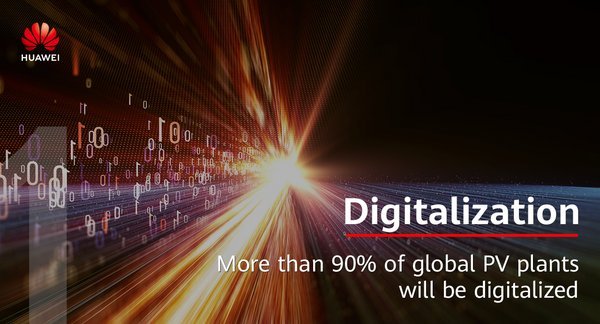
Trend 1 - Digitalization

Trend 2: AI-driven Smart Upgrades

The proportion of photovoltaic power plants using AI technology reaches more than 70%.

Trend 2 - AI-driven Smart Upgrades

Trend 3: Unmanned PV Plants

More than 80% of the work in power stations is unmanned.

Advertisement

Trend 3 - Unmanned PV Plants

Trend 4: Proactive Support for Power Grids

PV power plants are adapting to the power grid to actively supporting the security and stability of the power grid.
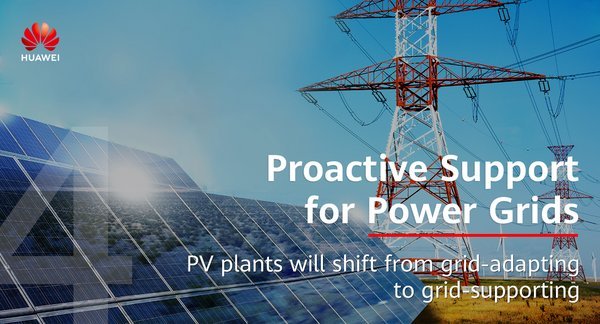
Trend 4 - Proactive Support for Power Grids

Trend 5: Solar + Storage

The proportion of optical storage symbiosis reaches more than 30%.

Trend 5 - Solar + Storage

Trend 6: Virtual Power Plants

Advertisement

More than 80% of household systems will access various VPP networks.

Trend 6 - Virtual Power Plants

Trend 7: Active Safety

Active Security Protection (AFCI) becomes standard on distributed roofs, forming an industry international standard.

Trend 7 - Active Safety

Trend 8: Higher Power Density

The inverter power density is expected to increase by more than 50%.

Advertisement

Trend 8 -  Higher Power Density

Trend 9: Modular Design

The fully modular design of core components such as inverters, PCS, and energy storage has become mainstream.

Trend 9: Modular Design

Trend 10: Security and Trustworthiness

Safety and credibility have become a necessary requirement for photovoltaic power plants.

Trend 10: Security and Trustworthiness

Source: Huawei

Advertisement

Huawei News

Huawei Mate 70 Air shows up in a promotional photo

picture-1

Published

on

By

Huawei Mate 70 Air

Huawei is getting ready to release a new super-thin phone called the Mate 70 Air. Some details about this phone have already been leaked online, and now a new picture has appeared showing what it looks like.

What the phone looks like

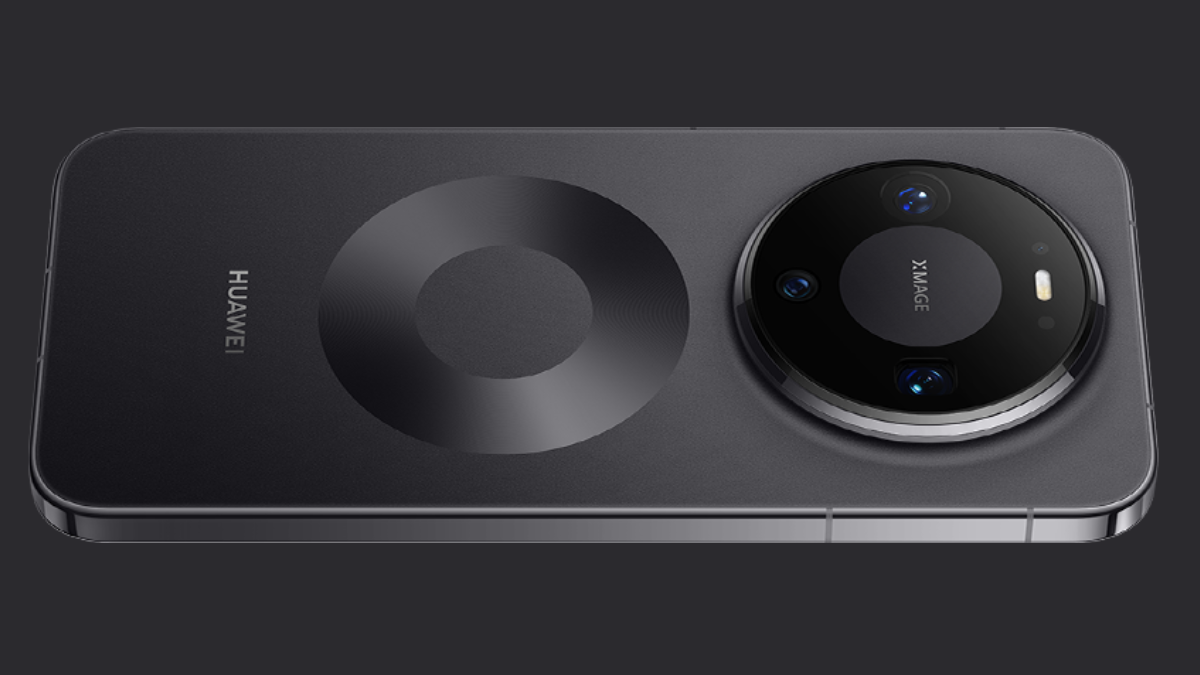
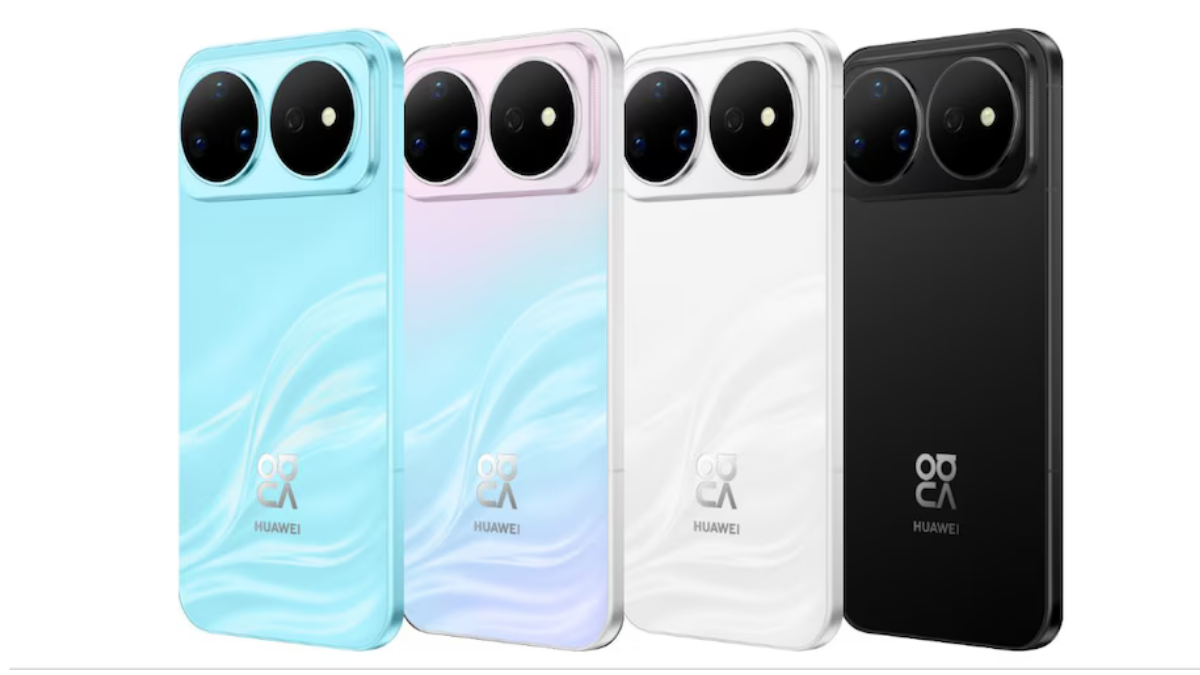
A promotional poster for the Huawei Mate 70 Air was leaked today. The phone looks similar to other phones in Huawei’s Mate 70 family, but it’s much thinner.

The back of the phone has a round camera area with Huawei’s XMAGE camera logo on it. The edges of the phone appear to be shiny and polished. The back cover has a textured surface, similar to another Huawei model called the Mate 70 Pro+.
What’s inside the phone

There isn’t much information available yet, but the Mate 70 Air might be a mid-priced phone. Early reports said it would have 12GB of memory and either 256GB or 512GB of storage space. However, newer information suggests it will actually have 16GB of memory.
The phone is expected to have a large 6.9-inch screen. It will also have a high-quality main camera.

Other features

Advertisement

Unlike Apple’s iPhone Air, the Huawei Mate 70 Air will have a slot for a physical SIM card. The phone will run on Huawei’s HarmonyOS 5.1 software. It will come in three colors: black, white, and gold.
Huawei is expected to launch this phone in November, around the same time as its Mate 80 series.

Continue Reading

Huawei News

Huawei Mate 80 series latest Information

picture-1

Published

on

By

Huawei Mate 80 series

Tipster Digital Chat Station has confirmed that the Chinese tech giant Huawei will release new phones called the Mate 80 series in November. These new phones will have better designs, cameras, and speed.

The company is expected to compete with Apple’s new iPhone 17 phones. Huawei will make four different Mate 80 phones: the regular Mate 80, Mate 80 Pro, Mate 80 Pro+, and Mate 80 RS. Each phone will have different cameras. The regular Mate 80 will have a 50-megapixel camera.

The Pro version will have a bigger 50-megapixel camera. The Pro+ and RS models will have even bigger 50-megapixel cameras.
The Pro model might have a flat screen and face recognition. The Pro+ and RS models might have curved screens that bend more.
The best phone, the Mate 80 RS, might have a 6.9-inch screen with special technology.

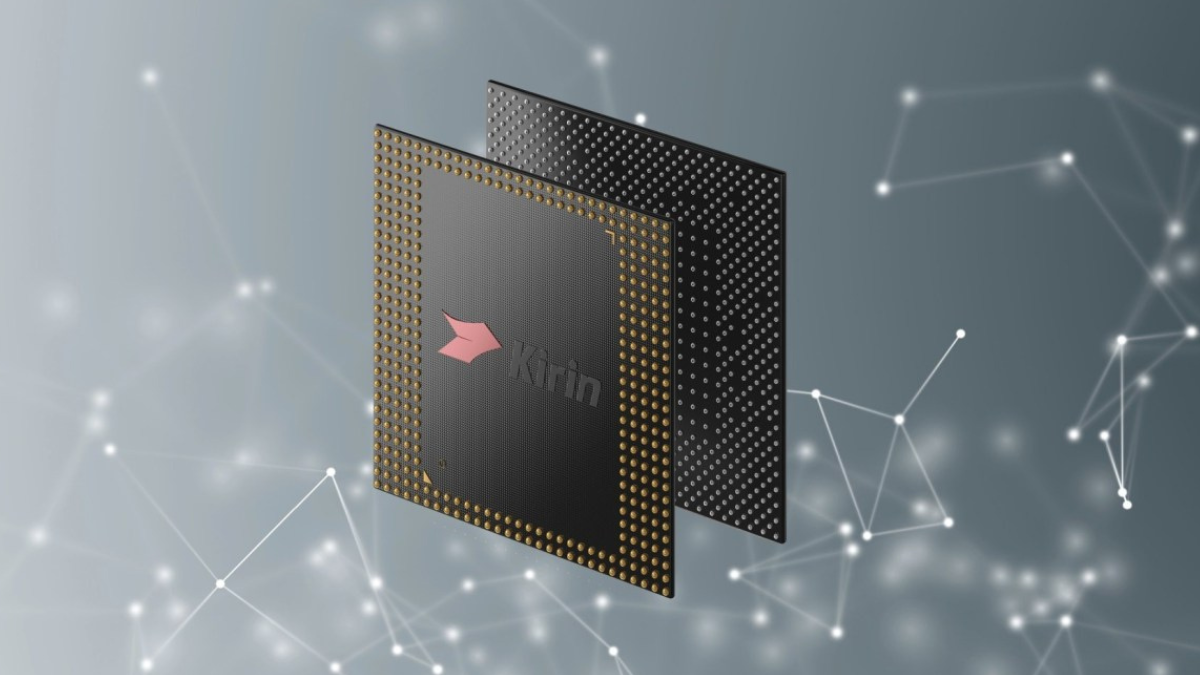
This screen should be brighter, use less battery power, and last longer than normal phone screens. Huawei might also use strong titanium metal for the frame and special glass on the back. Inside the phones, there will be a new chip called the Kirin 9030. The battery might be bigger than 6000mAh and charge very fast – 100W with a wire and 80W without wires. The phones might work with 5G internet and satellite communication.

The phones will use Huawei’s own software called HarmonyOS. This might work better with other Huawei devices and have more AI features. Some people think these improvements will help Huawei compete better with Apple, especially in battery life, communication, and smart features.

Advertisement
Continue Reading

Huawei News

Huawei’s Xu Zhijun steps down as chairman

picture-1

Published

on

By

Huawei HiSilicon

A Chinese company called HiSilicon Semiconductor just changed who’s in charge. The old boss, Xu Zhijun, stepped down from his job as the legal representative and chairman. Now the company’s CEO, Gao Ji, is taking over these roles.

Xu has been working at Huawei since 1993 and still has other important jobs there – he’s a vice chairman and sometimes serves as the rotating chairman. Him leaving this position is probably just Huawei moving people around to different jobs within the company.
HiSilicon is completely owned by Huawei and makes computer chips. This change in leadership might mean Huawei is trying to make things work better.

HiSilicon started in October 2004 when Huawei took its computer chip design team and turned it into its own company. The main office is in Shenzhen, but they also have offices in Beijing, Shanghai, and other cities in China.

Continue Reading

Most Popular