


Huawei mobile phones are mainly divided into 4 grades which include limited-edition models, high-end models, mid-range models, and low-end models in order from high to low. Let’s explore more in detail.
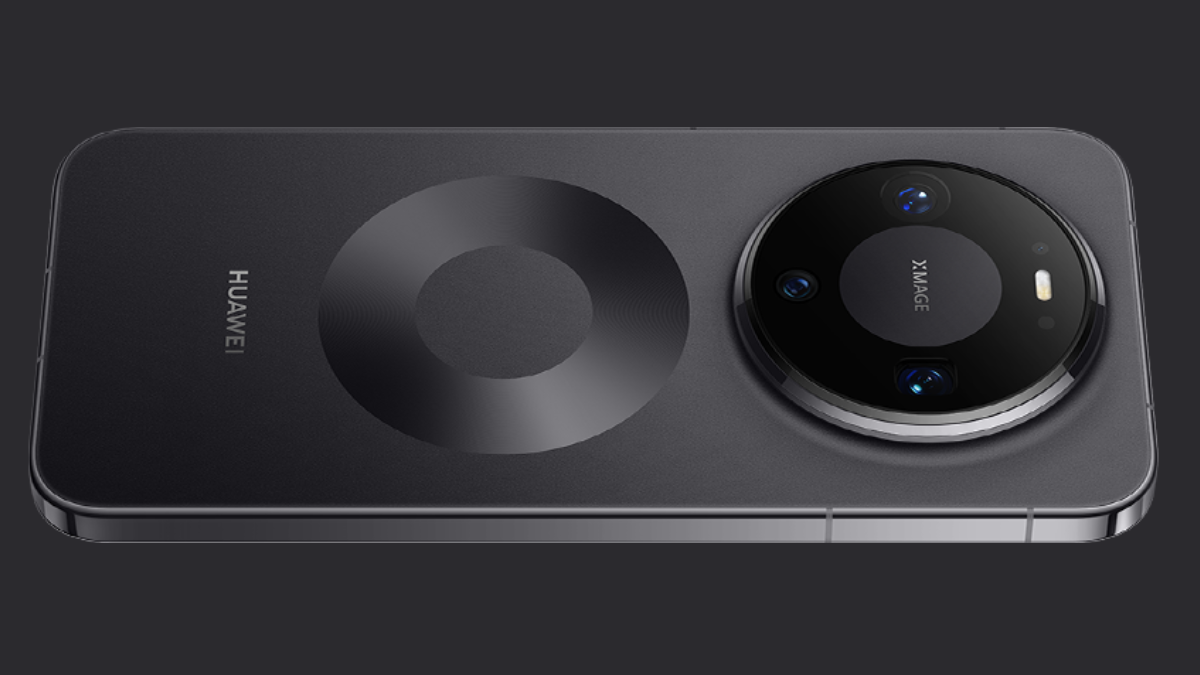
Limited edition models: The models in this series are usually produced in limited quantities, integrating various high-tech configurations, or co-branding with luxury car brands, in short, one word: expensive! The more representative new models are Huawei Mate 40 RS Porsche and Huawei Mate X2; the Mate40RS Porsche model is slightly upgraded compared to the standard Mate40 series models from the configuration point of view, but the starting price is closer to that of the Mate 40Pro but the appearance of the Mate40RS Porsche is indeed recognizable. The rear camera uses a star diamond design, and the back cover is made of nano-ceramic technology. The overall texture and design sense have shown a high level.

The Mate 40 RS Porsche is already the fourth model in the RS series. The original Mate RS, the second generation Mate20 RS, the third generation Mate 30 RS, and the previous Mate 9 Porsches and Mate10 Porsches were all designed in cooperation with Porsche.
Huawei Mate X2 is a folding screen mobile phone with a total of two screens. The outer screen is a 6.45-inch flexible OLED screen that supports a 90Hz screen refresh rate and a 240Hz touch sampling rate; the size of the inner screen is 8 inches after being expanded. This foldable flexible OLED screen supports 90Hz screen refresh rate and 180Hz touch sampling rate. This 8-inch folding screen is the selling point of this model.
Huawei Mate X2 Specifications:
- Product Name: Huawei Mate X2
- Mode: TET-AN00
- Screen Size: 8 inches; external screen: 6.45 inches
- Screen Type: Internal screen: foldable flexible OLED, up to 90Hz refresh rate, 180Hz touch sampling rate; external screen: flexible OLED, up to 90Hz refresh rate, 240Hz touch sampling rate
- Battery: 4500mAh
- Rear Camera: 50 MP super-sensing camera (wide-angle, f/1.9 aperture, support OIS optical image stabilization) + 16 MP ultra-wide-angle camera (f/2.2 aperture) + 12 MP telephoto camera (f/2.4 aperture, support OIS optical anti-shake Shake) + 8 MP super zoom camera (10x optical zoom, f/4.4 aperture, support OIS optical image stabilization)
- Front Camera: 16 MP wide-angle camera (wide-angle, f/2.2 aperture)
- Screen Color: 16.7 million colors, P3 wide color gamut
- RAM: 8GB
- Storage: 256GB/512GB
- Resolution: Internal screen: 2480 x 2200 pixels; External screen: 2700 x 1160 pixels
- Processor: Kirin 9000
- OS: EMUI 11.0 (based on Android 10)
- GPU: 24-core Mali-G78
- CPU: 1*Cortex-A77@3.13GHz + 3*Cortex-A77@2.54GHz + 4*Cortex-A55@2.05GHz
- Navigation: Gesture navigation, three-button navigation on the screen, floating navigation

Huawei Mate X2 is the third folding screen mobile phone launched by Huawei. Huawei Mate X and Huawei Mate XS all adopt a folding screen design, which has a strong visual impact.
High-end models: Huawei’s high-end models are divided into Mate series and P series. Mate series models are usually released in the second half of each year, and new Kirin high-end chips will be released first, while P series models are generally in the first half of each year. The release will use the Kirin high-end chip released last year. In terms of positioning, the Mate series has stronger business attributes, with a magnificent appearance design and large enough screen, which are business flagship phones, while the P series pay more attention to photography and stylish appearance, and belong to the stylish camera flagship phones. At present, the more representative Huawei high-end mobile phone series are Huawei Mate40 series and Huawei P40 series!

In addition to the Porsche version, the Huawei Mate 40 series is divided into 4 models. Among them, Mate40 and Mate40E use Kirin 9000e chip, Mate40Pro and Mate40Pro+ use Kirin 9000 chip. All systems use a 90Hz screen refresh rate and 240Hz touch sampling. Except for the Mate 40E, all the high-speed OLED screens use Sony IMX700 camera sensors, which are very good at taking pictures.
The Huawei P40 series is divided into 4 models, all of which use Sony’s IMX700 camera sensor. Only the standard version of the P40 has a 4G version, which uses the Kirin 990 4G chip, and the others use the Kirin 9905G chip. The performance and power consumption, as well as the performance under the 5G network are very strong.

Note: Huawei P50 series will meet with us soon. If nothing else, the P50 series will use Kirin 9000 series chips. As for other configuration parameters, we can only know when the series is released.
Related:
- Huawei P50 prototype images indicates round rear camera design
- Huawei P50 Pro+ is expected to be equipped with liquid lens technology
- Huawei P50 fresh renders tip four colors, video too
- Check this beautiful render of Huawei P50 Pro
- Huawei P50 series protective case confirms the rear camera design
- Expected Huawei P50 series camera specifications and differences
- Huawei P50 Standard Edition CAD image leaked
- Huawei P50 series tempered glass leaked
- Huawei P50 protective case leaked
- Huawei P50 series have sufficient Kirin 9000 stock
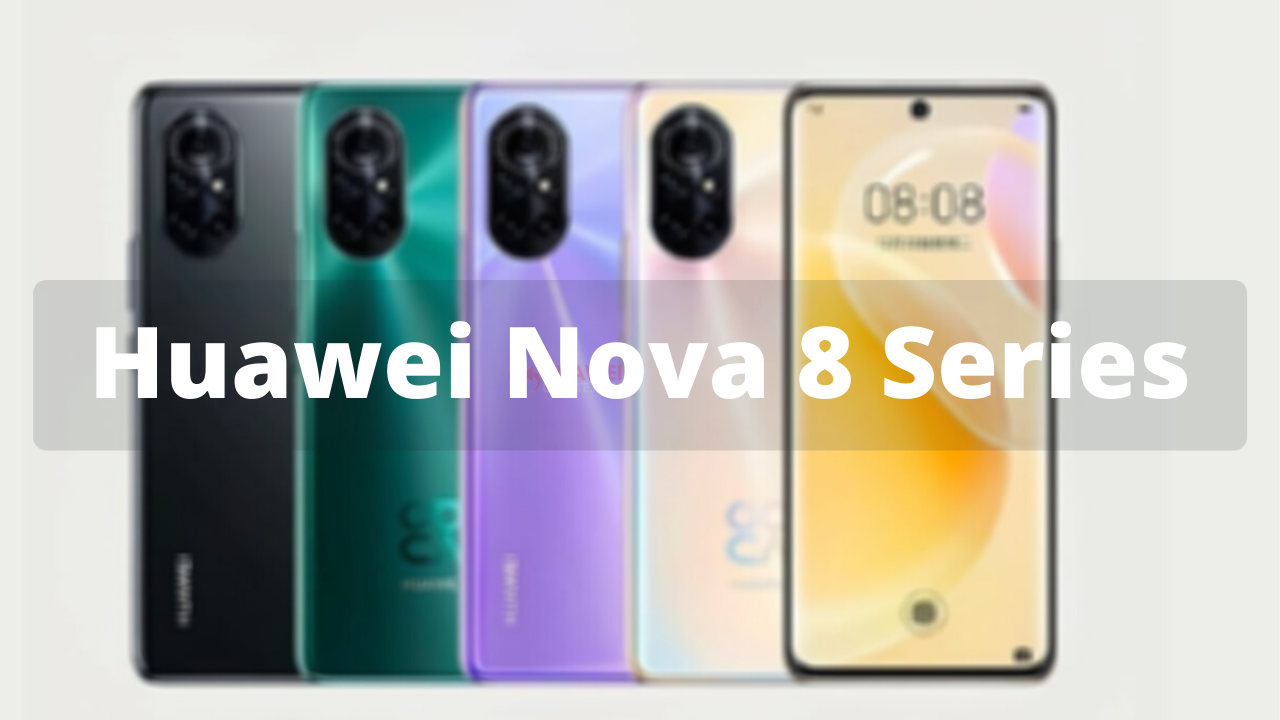
Mid-range models: Huawei’s Nova series models are Huawei’s mid-range models. The models in this series are mainly young and fashionable. They also perform well in taking pictures. Some configurations will overlap with Huawei’s high-end models. The performance is quite good, mainly for young and fashionable users. The new Nova series models are divided into 4 models. The standard version of Nove8 SE uses Dimensity 720 chips, the high version uses Dimensity 800 chips, and both Nova8 and Nova8Pro use Kirin 9855G chips, which have better performance.

The product layout of these 4 models is very clear. The SE series has a slightly lower positioning and belongs to low-end mobile phones. It is the entry-level model of the Nova series, while the Nova 8 and Nova 8 Pro can be regarded as serious, Huawei mid-range phones, with the Pro version of the camera and the configuration of the screen is more abundant, and it is also a relatively representative model of this series.
Low-end models: Huawei Enjoy and Maimang series models belong to Huawei’s low-end model series. The Maimang series often cooperate with operators to promote offline sales. The biggest difference between the Enjoy series and the Maimang series is the sales model.
The positioning of the Enjoy series is slightly higher than that of Maimang, but the positioning belongs to Huawei’s entry-level models, that is, low-end models. The models of these two series are mainly practical, with strong endurance, strong signal, and rich configuration, suitable for basic daily use.
The most representative model of the Enjoy series is Enjoy 20 Plus. The positioning of this model is a bit between the low-end and mid-range models. The large battery supports 40W fast charging, and the piece has no openings. The high-brush LCD screen is very practical, using the design of the front lift camera to retain the integrity of the screen.
The most representative model of the Maimang series is Maimang 9. Although the overall configuration has no bright spots, from a practical point of view, the overall performance of this model is in line with the level that a low-end model should have. The most important thing is Yes, the appearance of this phone is very beautiful, the design of the front single-hole screen is very simple, and the design on the back is the same as that of the Huawei P30, which looks very fashionable.
Summary: Huawei mobile phones are roughly divided into 4 grades. The limited edition models consist of Huawei’s folding screen mobile phones and Porsche series mobile phones. They are Huawei’s products to “show muscle”. The more representative models are Mate40RS Porsche and Mate. X2 these two models.
The high-end models consist of the mass-produced Mate series and the P series. The Mate series will be released in the second half of the year. Kirin’s high-end chips will be released for the first time. The P series will be released in the first half of the year, using the Kirin high-end chips from the previous year. The target groups are different, but they belong to Huawei’s high-end model series. The more representative models are Mate40Pro and Huawei P40Pro.
Only the Nova series is the mid-range model, and the positioning is a bit of a “linking from the past”. The SE series models will overlap with Enjoy and Maimang series in core configuration, while the Nova digital series, including the Pro version, will differ in individual configurations. The P series and Mate series overlap, but the overall positioning belong to the category of mid-range mobile phones. The more representative model is Huawei Nova 8 Pro.
The low-end models consist of the Enjoy series and the Maimang series. The configuration of the Enjoy series is slightly richer, and the positioning is slightly higher than that of the Maimang. Both series belong to the entry-level smartphone series, and the more representative models are Enjoy 20Plus and Maimang 9.
Looking for the latest Huawei updates? Join us on the Telegram channel for instant updates. You can also follow us on Twitter and Facebook.