



Connect with us

Huawei News

Huawei MatePad Pro: Everything You Need To Know About

picture-1

Published

on

Huawei MatePad Pro- Huaweiupdate

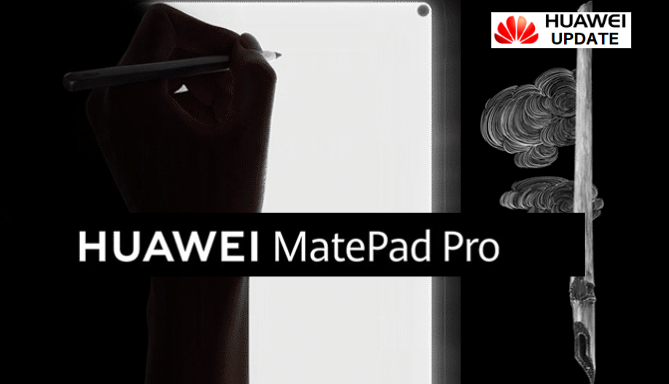
The Huawei MatePad Pro Launched in China. The Specifications of MatePad Pro are it measures 159 x 246 x 7.2mm and it weighs 460 grams. The tablet is equipped with a 10.8-inch display with rounded corners. The IPS LCD display that features a punch-hole for the front camera supports quad HD+ resolution of 2560 x 1600 pixels and DCI-P3 color gamut. With 4.9mm slim bezels around the display, the MatePad Pro promises a screen-to-body ratio of 90 percent.

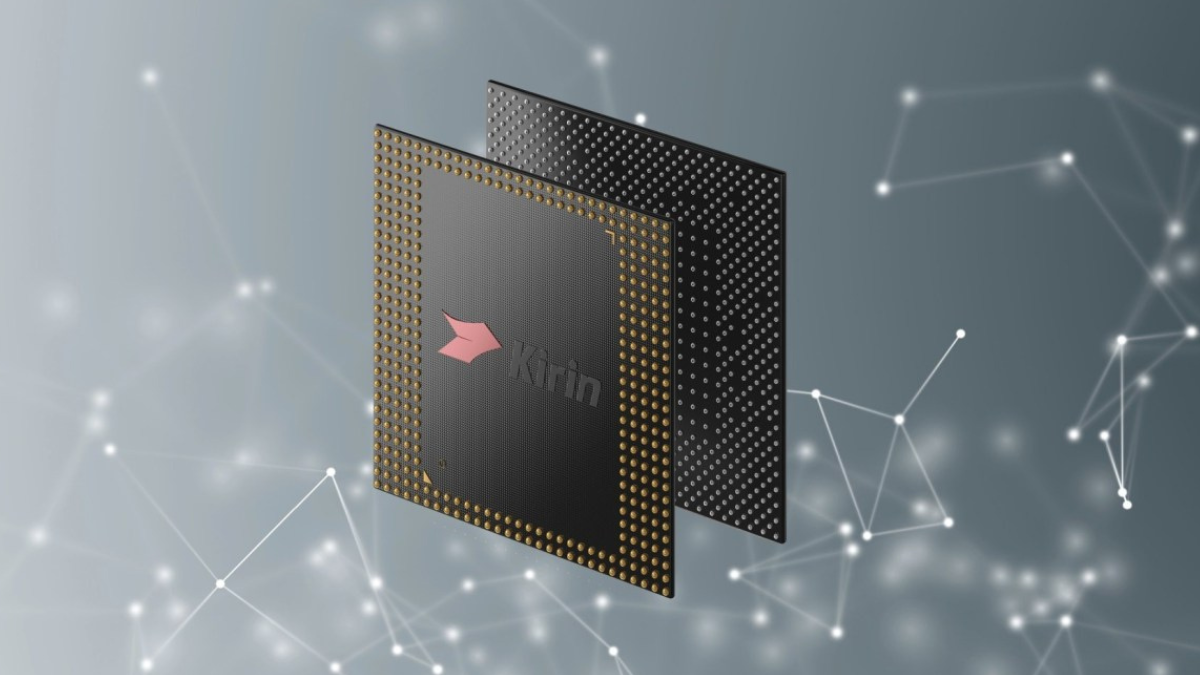
The 7nm Kirin 990 chipset fuels the MatePad Pro along with up to 8 GB of RAM and 512 GB of storage. There is a nanoSD card slot onboard for expanding its storageThe tablet is equipped with a huge 7,250mAh battery that support 40W rapid charging. However, the device ships with 20W fast charger.

The EMUI 10 flavored Android 10 OS runs on the device. There is a multi-screen collaborative feature on the MatePad Pro that allow users to clone the phone’s interface on its screen. This feature can be used to transfer files between the devices conveniently. The cloned phone on the MatePad Pro can be also used to answer phone calls and send/receive text messages.

Advertisement

The MatePad Pro has a 13-megapixel main camera with f/1.8 aperture. It comes with features like phase detection autofocus and LED flash. On the front is an 8-megapixel camera with f/20 aperture. The device comes with support for M-Pencil stylus that 4096-level pressure sensitivity nib.

Huawei MatePad Pro Pricing and Release Date:

Here are the pricings of the different variants of the Huawei MatePad Pro

MatePad Pro Wi-Fi only edition
6 GB RAM + 128 GB storage – 3,299 Yuan (~$469)
8 GB RAM + 256 GB storage – 3,399 Yuan (~$484)

Advertisement

MatePad Pro LTE edition
6 GB RAM + 128 GB storage – 3,799 Yuan (~$540)
8 GB RAM + 256 GB storage – 4,499 Yuan (~$569)

Color variants: Danxia Orange, Castle Peak, Fritillaria White and Night Ash

The optional magnetic keyboard case and M-Pencil stylus are respectively priced at 499 Yuan and 699 Yuan.

Advertisement

Huawei China Event Highlights:

Previous Leaks:

Huawei will release a new tablet MatePad Pro, claiming to “reconstruct creativity”, this is Huawei’s first tablet named Mate on November 25th 2019. Recently Huawei has shared a new teaser video that showcases the Huawei MatePad Pro teasing some of the key features of the upcoming flagship tablet.

The MatePad Pro will adopt a digging screen and a narrow border design around the screen. The screen ratio is expected to exceed 90%, and support the multi-screen collaborative operation.

Advertisement

Huawei M series tablet, Mate 20 X/Mate 30 and other mobile phones have previously supported M-Pen stylus, 4096-level pressure, and this preview seems to be different from the previous model, obviously the function will be greatly upgraded. , matching the top position of MatePad Pro.

From the current signs, the MatePad Pro screen is expected to be 10-12 inches, and is expected to be equipped with the Kirin 990 flagship processor, up to 6/8GB of memory, 512GB of storage, and a magnetic keyboard.

Also, the Geekbench listing of the MatePad Pro with the MRX-AL09 model number managed 3,808 points in the single-core test and 11,832 in the multi-core part. As expected it’s packing an eight-core Kirin chipset with a base clock speed of 1.84 GHz, which matches the Kirin 990 chipset. The listing also shows 6GB RAM onboard alongside Android 10.

Advertisement

matepad pro

Huawei News

Huawei Introduces Smart Substation Power Solutions for Sub-Saharan Africa

picture-1

Published

on

By

Smart Substation Power Solutions

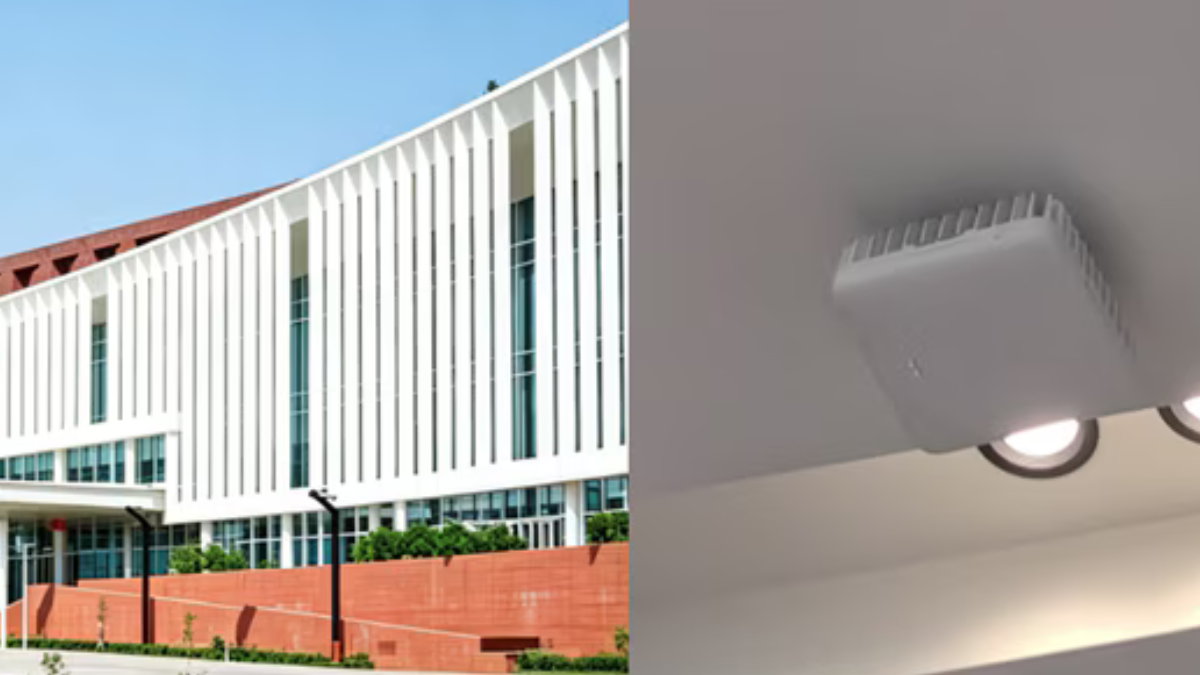
Keeping electrical infrastructure running smoothly is a major challenge for utility providers around the globe. During a major power summit in South Africa, Huawei joined forces with regional utility companies to address these infrastructure struggles. Together, the groups officially launched a new smart substation solution designed specifically to update and digitize older electrical grids across the region.

Replacing manual inspections with remote monitoring

Traditional power grid maintenance requires teams of technicians to physically drive out to distant, isolated power substations to check for damage or equipment errors. This manual process is slow, expensive, and can leave communities without power for long stretches if a fault occurs in a remote area.

The new technology from the company completely changes this dynamic by deploying automated private wireless networks directly at the power sites. These networks connect to smart camera systems and remote sensors. Instead of spending days traveling, utility operators can now perform a full, detailed inspection of a distant substation remotely in just a few minutes. This immediate visibility helps companies spot physical errors before they cause widespread blackouts, keeping the power on for local businesses and homes.

Advertisement

Cutting maintenance costs and protecting hardware

Beyond remote viewing, the smart solution uses advanced data analysis to monitor the health of expensive electrical transformers. The system can automatically detect unusual heat spikes or abnormal vibrations, sending instant alerts to maintenance teams. By catching these mechanical problems early, utility companies can fix minor issues instead of replacing entire pieces of destroyed hardware, saving millions of dollars in operational costs.

Representatives from the company emphasized that building a reliable, stable power supply is absolutely vital for the economic growth of the region. By merging physical power systems with digital networking tools, the company hopes to create a more resilient power grid that can easily adapt to growing energy demands. The technology is currently being prepared for deployment across several regional power networks immediately.

Advertisement
Continue Reading

Huawei News

Huawei HiFS 2026: Financial Data Intelligence Solution 6.0 Launched

picture-1

Published

on

By

Huawei HiFS 2026

The digital banking landscape is moving past basic online applications into an era dominated by automated workflows and highly personalized assistance.

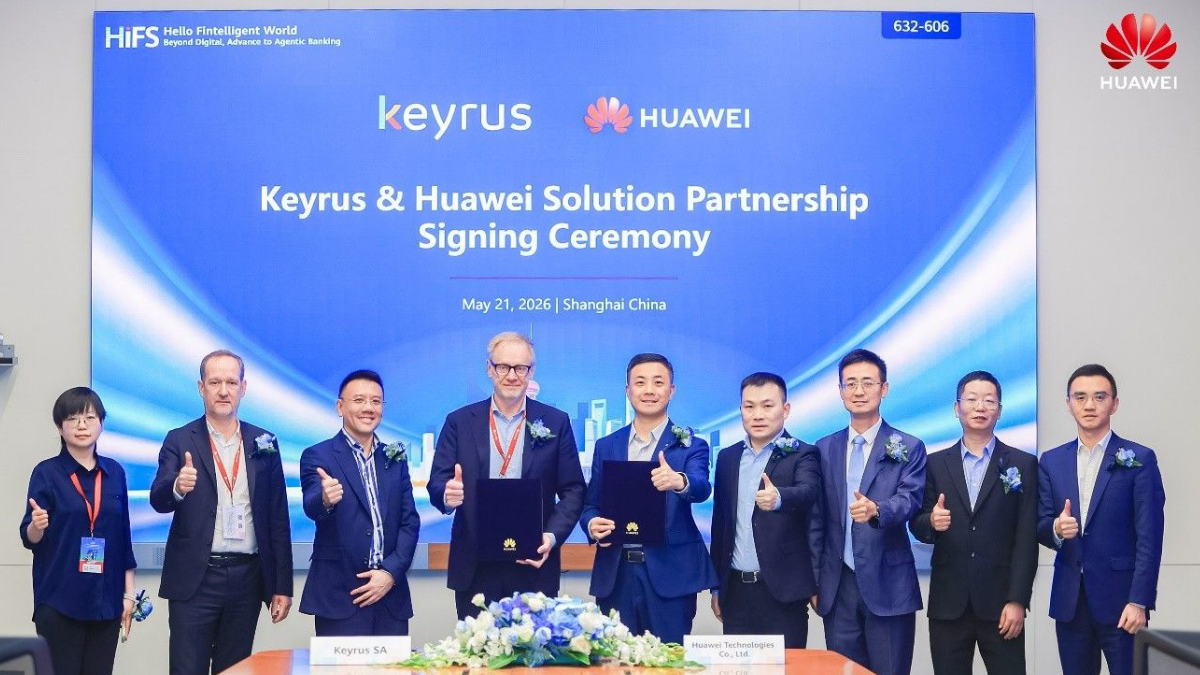
At its major intelligent finance summit in Shanghai, Huawei launched a massive update to its core banking software line. The brand-new Financial Data Intelligence Solution 6.0 is designed to help global financial institutions safely transition into a new model of automated banking.

The rise of automated banking

According to executives from the company, digital finance is changing because smart software can now organize and execute complex tasks entirely on its own.

Advertisement

The company envisions a future where every bank customer has access to a smart virtual steward, and every bank employee has a personal digital assistant to handle repetitive paperwork.

To achieve this vision, the company introduced a flexible software architecture that utilizes open-source models. This layout allows global banks to scale up their digital operations across high-value areas while keeping expansion costs under control. The solution is built with a heavy emphasis on data security, ensuring that sensitive customer financial records remain completely safe from outside threats.

Huawei HiFS 2026

Better fraud detection and personalized marketing

The new software package introduces major upgrades across three key areas: data platforms, data management, and daily applications. To prove the real-world value of these upgrades, the company highlighted new tools built alongside its global ecosystem partners.

Advertisement

First, the company developed a smart marketing tool that can utilize over 5,000 distinct customer traits. This deep level of detail allows banks to offer highly specific financial advice and product suggestions tailored to the exact needs of an individual. Second, the company rolled out a joint anti-fraud safety system. This security tool can analyze a digital transaction and flag potential scams in an incredibly fast 30 milliseconds, representing a 40-fold leap in overall operational efficiency.

The company also focused heavily on system reliability. The underlying system infrastructure has been hardened to support sudden 10-fold spikes in online traffic without crashing. This ensures that banking apps stay online during major shopping events or economic shifts. Furthermore, the company upgraded its migration software, allowing banks to completely revamp their old backend systems with zero daily operational downtime.

Advertisement
Continue Reading

Huawei News

Huawei Unveils Advanced AI Data Center Storage Solutions in Paris

picture-1

Published

on

By

Huawei Data Center

Enterprise data needs are changing rapidly due to the sudden rise of massive computing workloads. To address these demands, Huawei used its annual innovative data infrastructure forum in Paris to reveal a new full-stack infrastructure strategy. The company is introducing high-density hardware and smart management software to help businesses process large amounts of data much faster.

Massive scale-out storage hardware

The biggest physical hardware announcement from the event is the latest version of the OceanStor Pacific scale-out storage system. The company managed to pack an impressive 11 petabytes of data capacity into a compact server chassis that takes up only two units of rack space. This extreme density allows corporate data centers to save massive amounts of physical floor space while drastically cutting down on electricity costs.

To help companies manage data across different locations, the company introduced a unified data solution. This software allows businesses to safely import and search through hundreds of billions of data points in real time, even if the files are spread across entirely different physical server buildings.

Advertisement

Huawei Data Center

Solving the data speed bottleneck

When running massive data tasks, modern computer systems often face speed bottlenecks while waiting for information to load. To fix this issue, the company is introducing a brand-new memory storage system designed to accelerate performance. This technology acts as a ultra-fast shared memory cache, which the company claims can reduce the initial response lag of a data request by up to 90 percent.

The company also launched a management tool that coordinates how data moves through a system. This manager improves overall accuracy by 30 percent. Alongside the storage upgrades, the company introduced a special framework that allows businesses to deploy new operational profiles with a single click, completely removing the need for complex software coding.

Finally, the company introduced a new natural language platform designed to create digital workflows quickly. This platform helps businesses set up automated digital tasks in a fraction of the time it usually takes. Executives from the company emphasized that these smart digital tools will essentially function like digital employees, serving as the core foundation for modern workplace productivity moving forward.

Advertisement
Continue Reading

Most Popular